In one sentence · 31 words
Artema is a mobile app, designed in France, that identifies an artwork from a single photo, tells its story and lets you share your discoveries with a community of art lovers.
Press and creators
Ready-to-use copy, key facts, high-resolution visuals and direct contact with the founder. Everything on this page is free to use in any article or content about Artema.
Logo, icon and 12 screens in the iPhone19.0 MB ZIP archive
Fact sheet
Ready-to-use copy
Use them as they are or adapt them to your tone.
Artema is a mobile app, designed in France, that identifies an artwork from a single photo, tells its story and lets you share your discoveries with a community of art lovers.
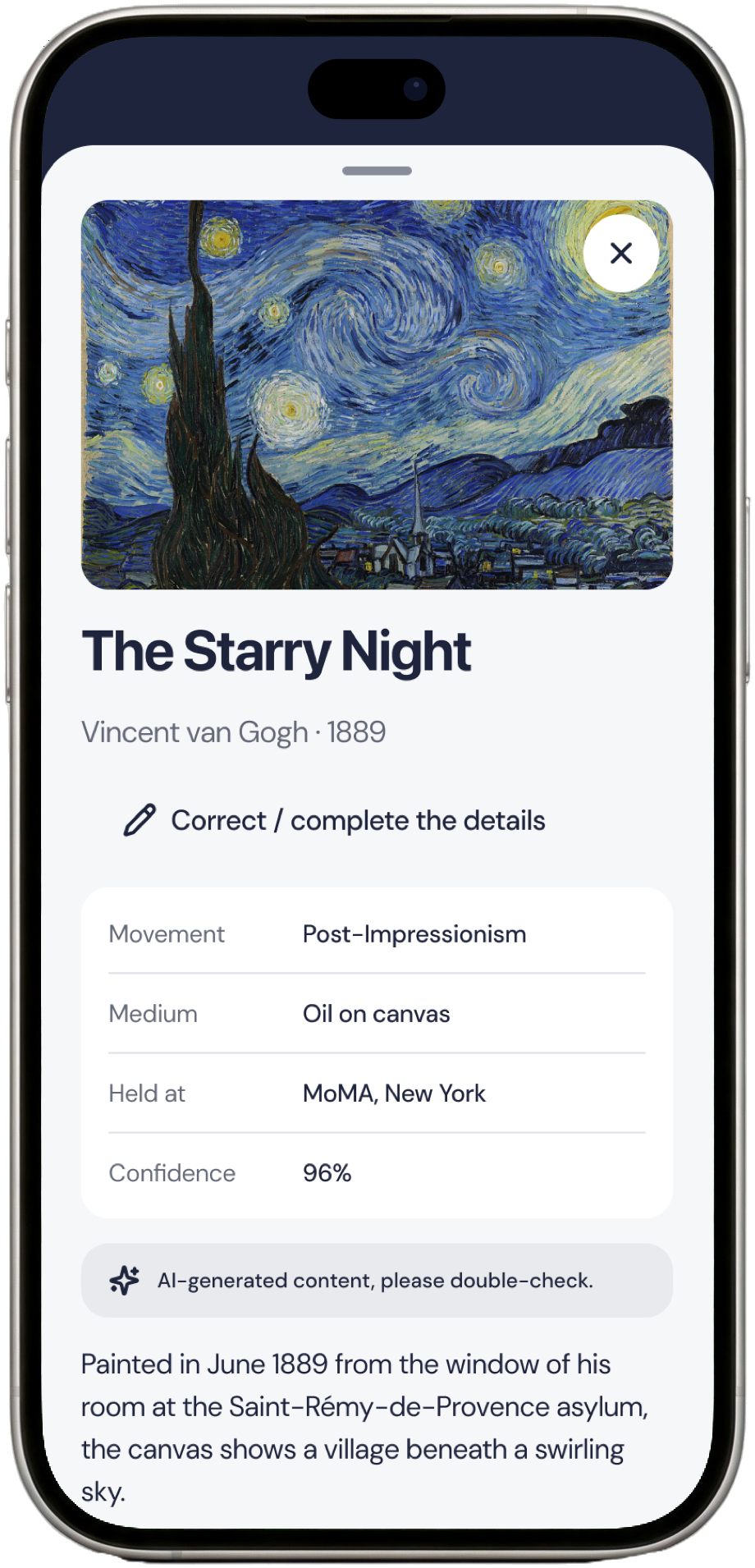
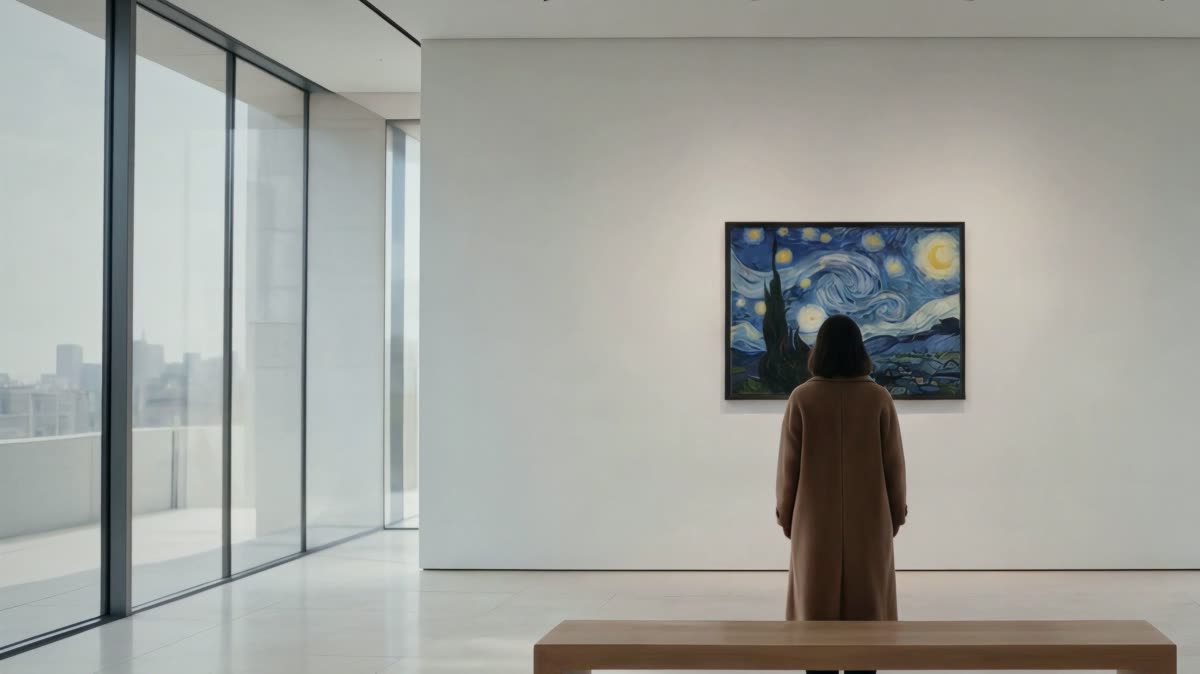
In front of a painting or a sculpture, just take out your phone: Artema recognises the work in a few seconds, gives its artist, date and movement, then tells its story. Each discovery joins “My museum”, a personal collection to keep to yourself or share with a community of art lovers.
Artema, the social network for art lovers, is coming to iPhone and Android, in English and French. The idea: photograph an artwork and identify it in a few seconds with artificial intelligence. The app shows the title, artist, date, technique and collection, then tells the story of the work. When one exists, a high-resolution reproduction replaces the photo.
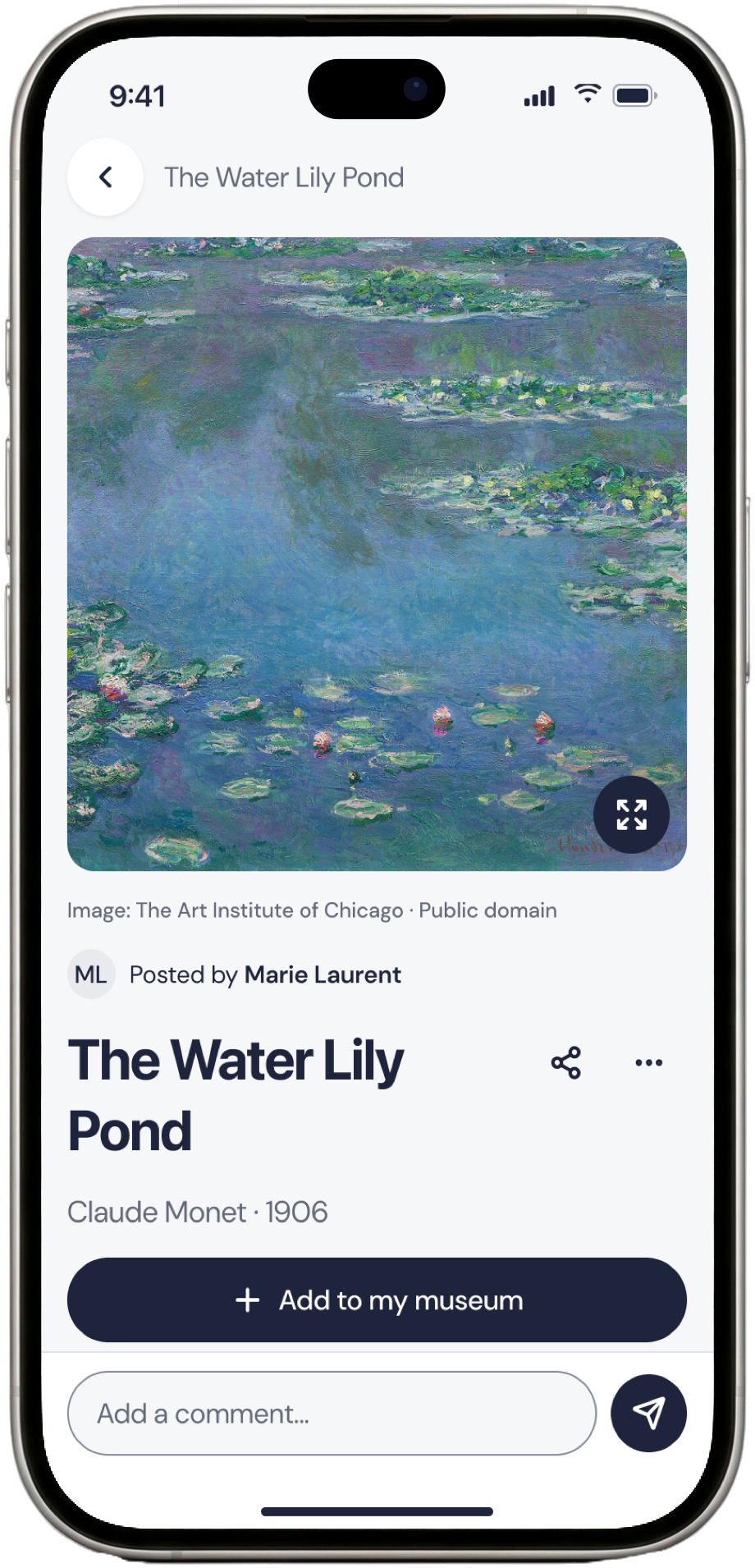
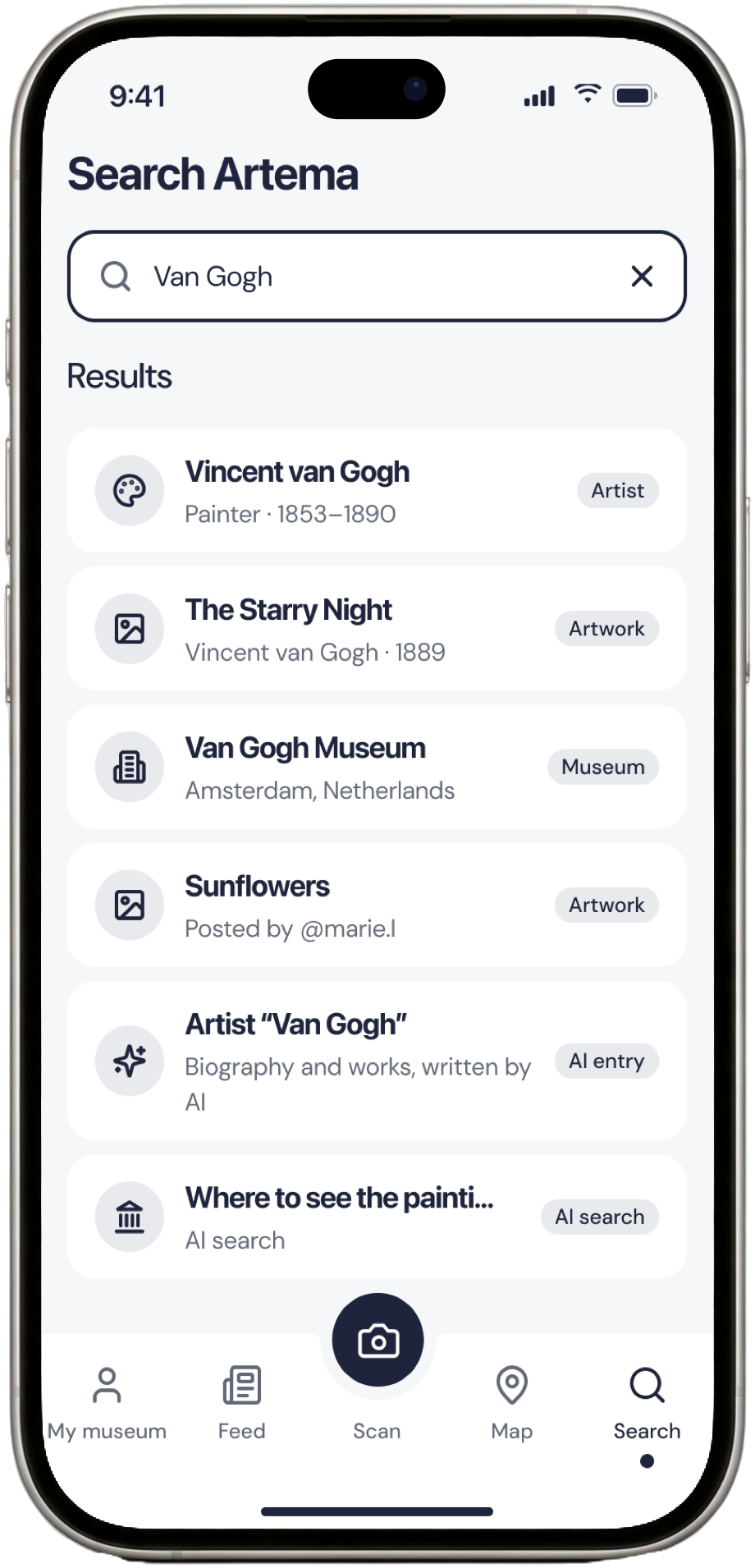
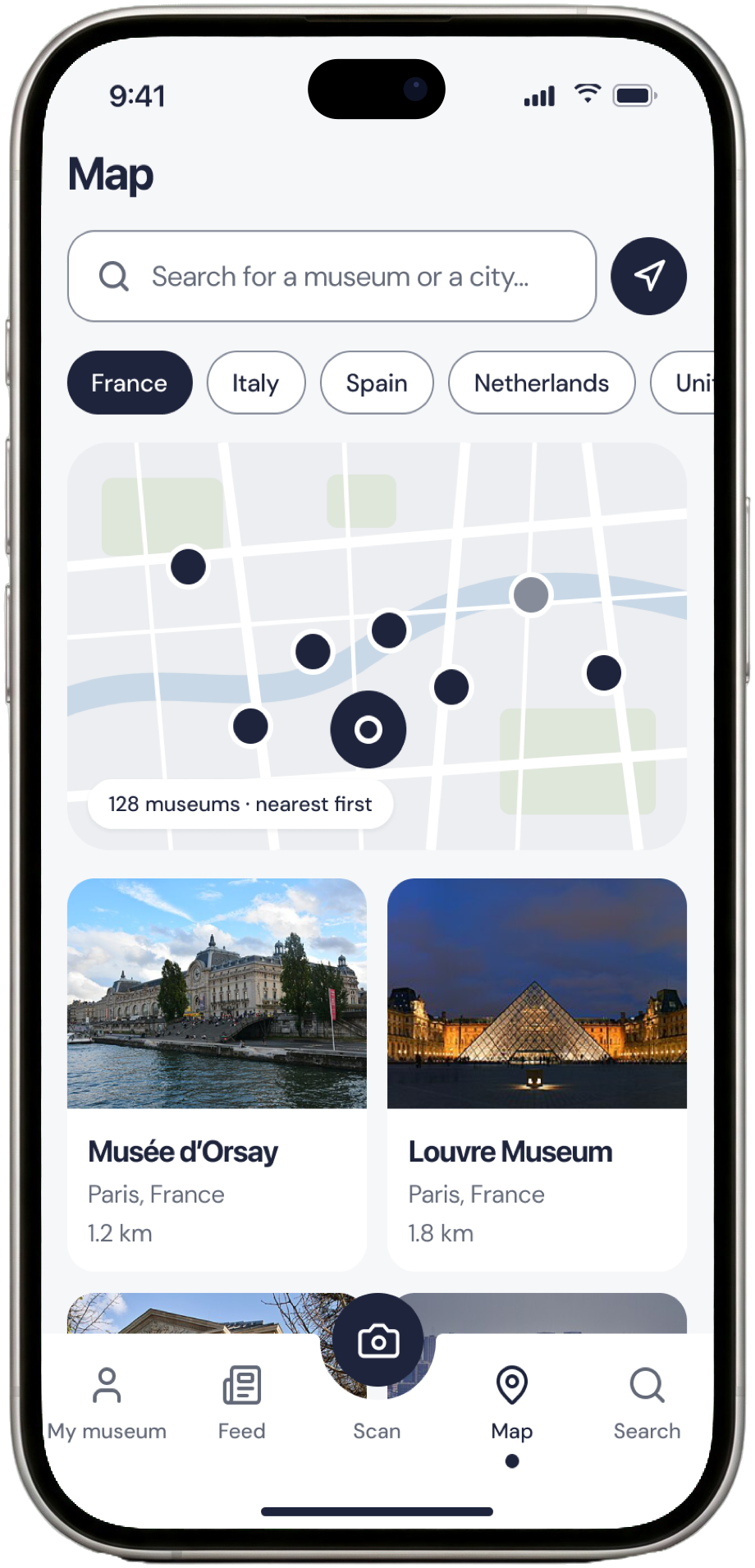
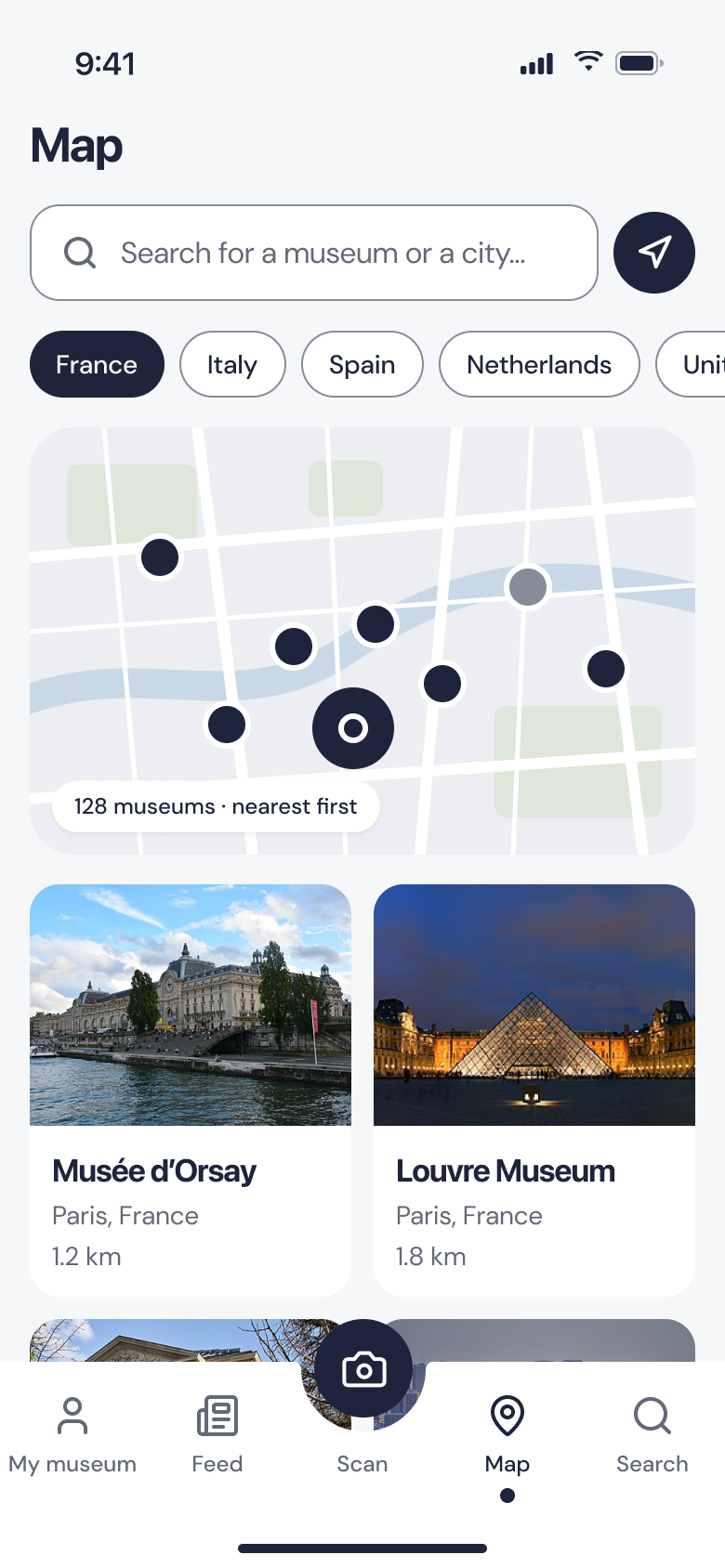
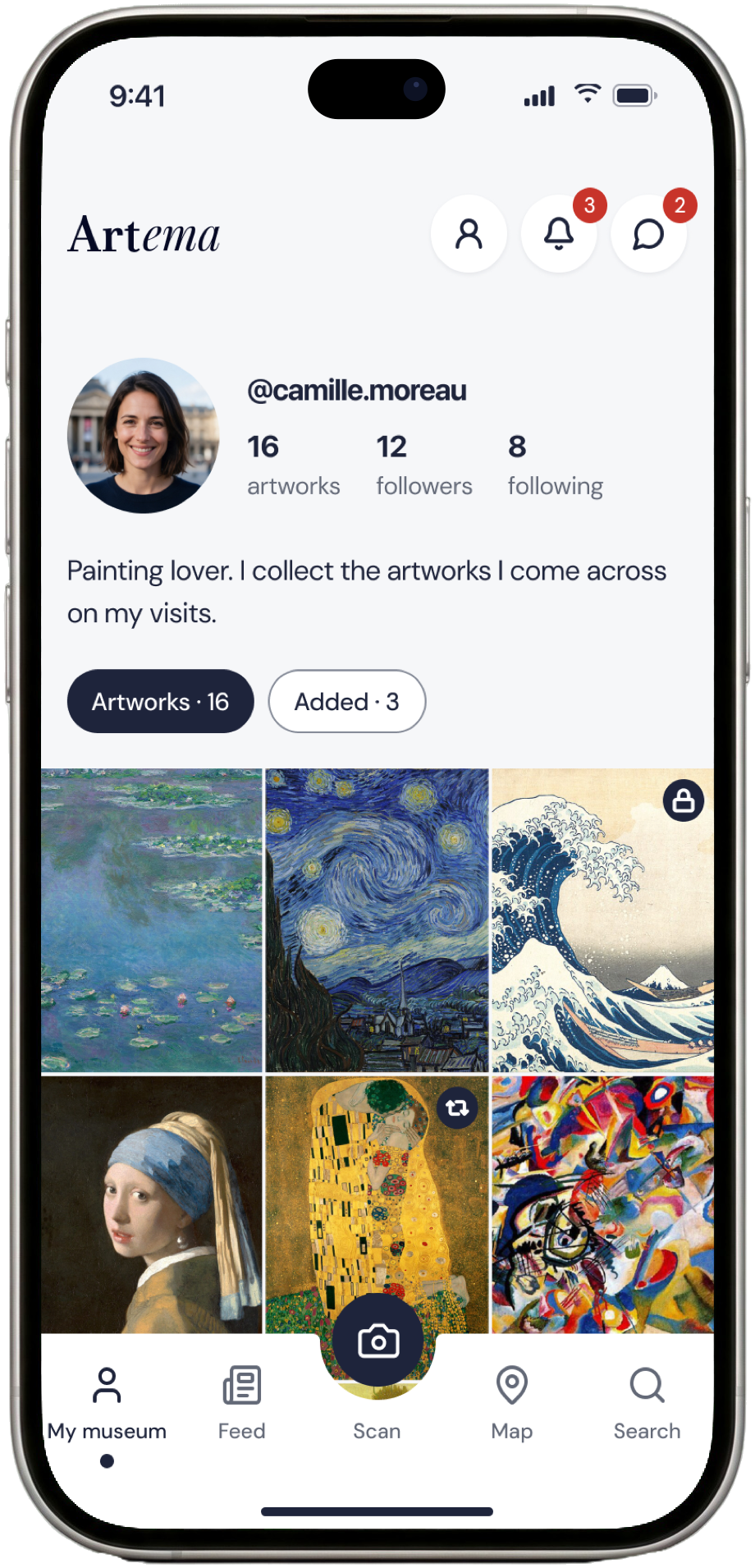
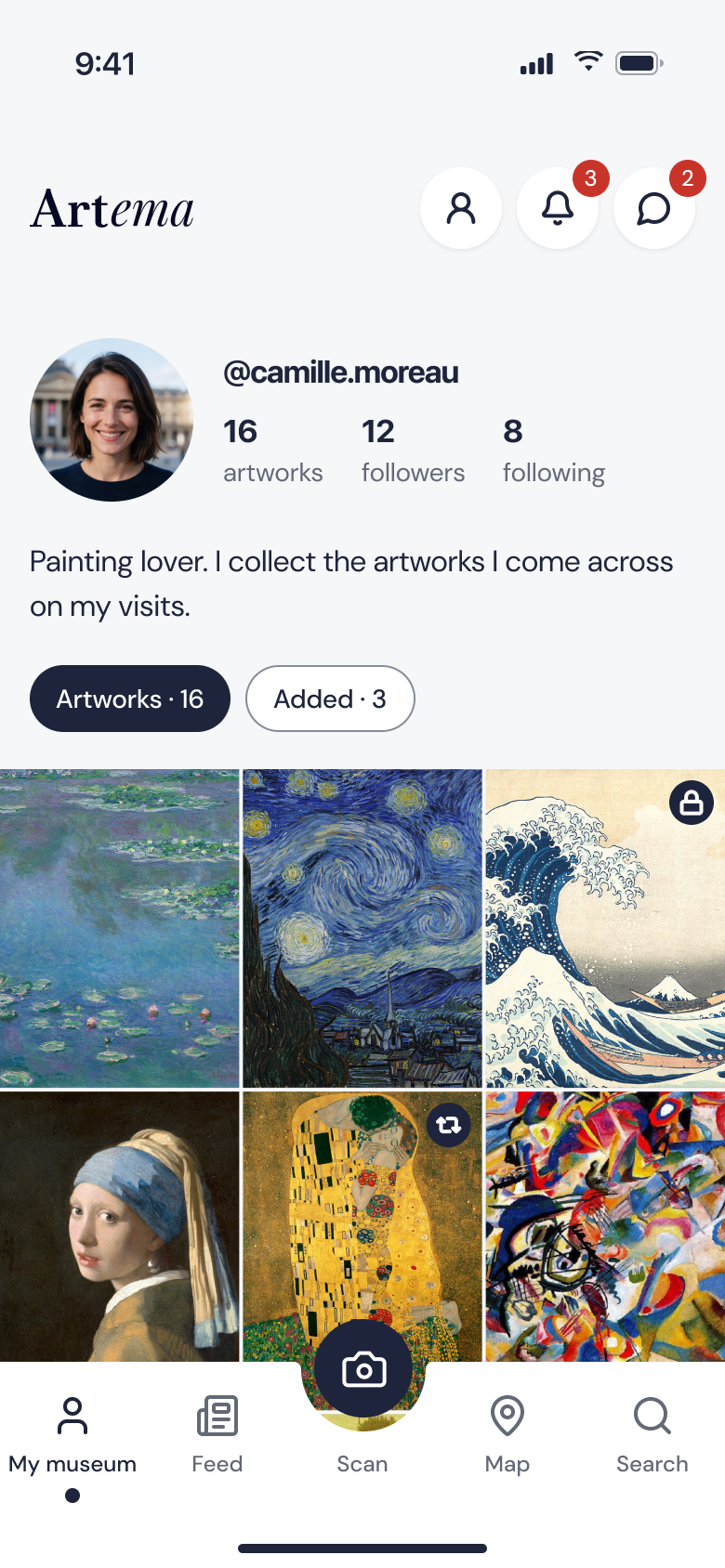
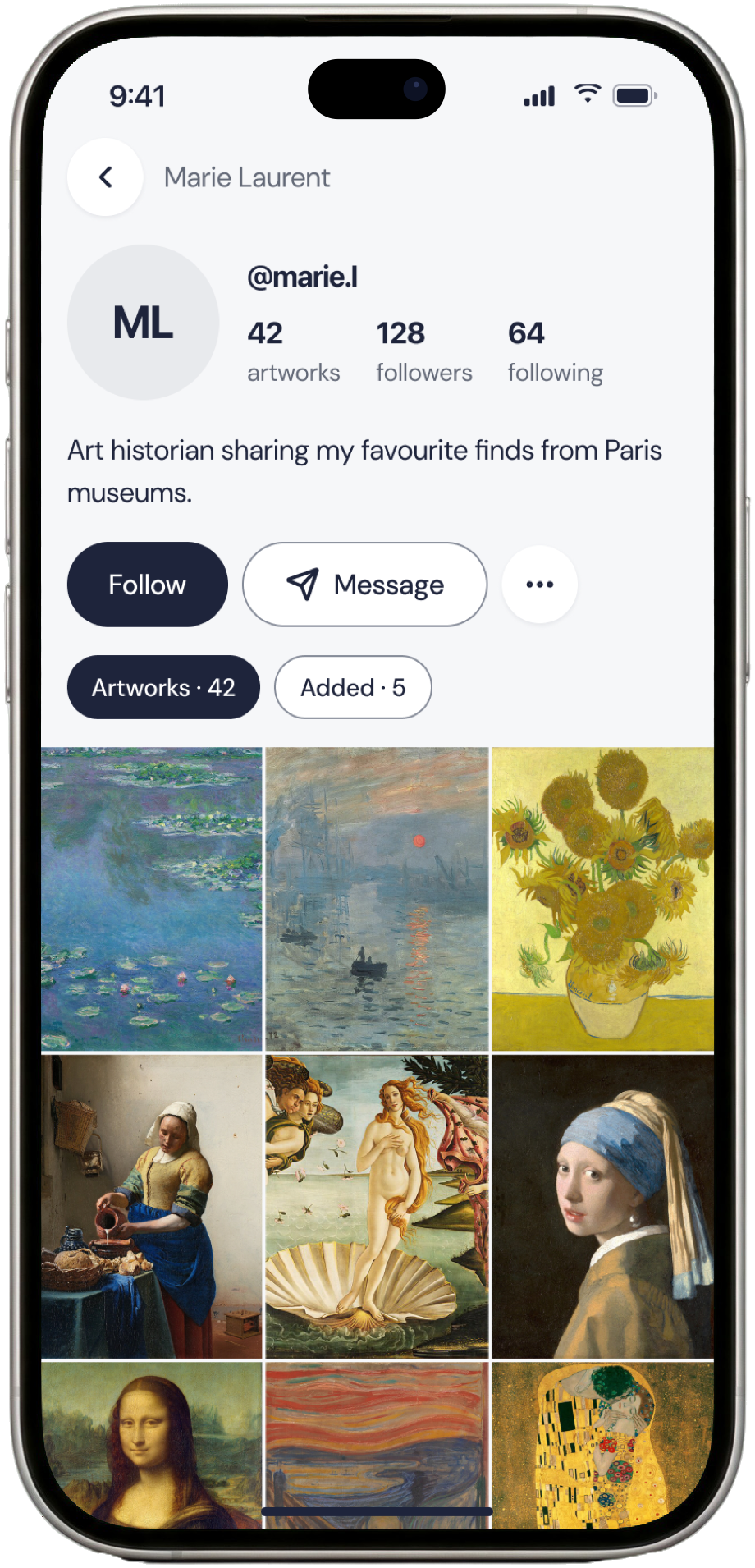
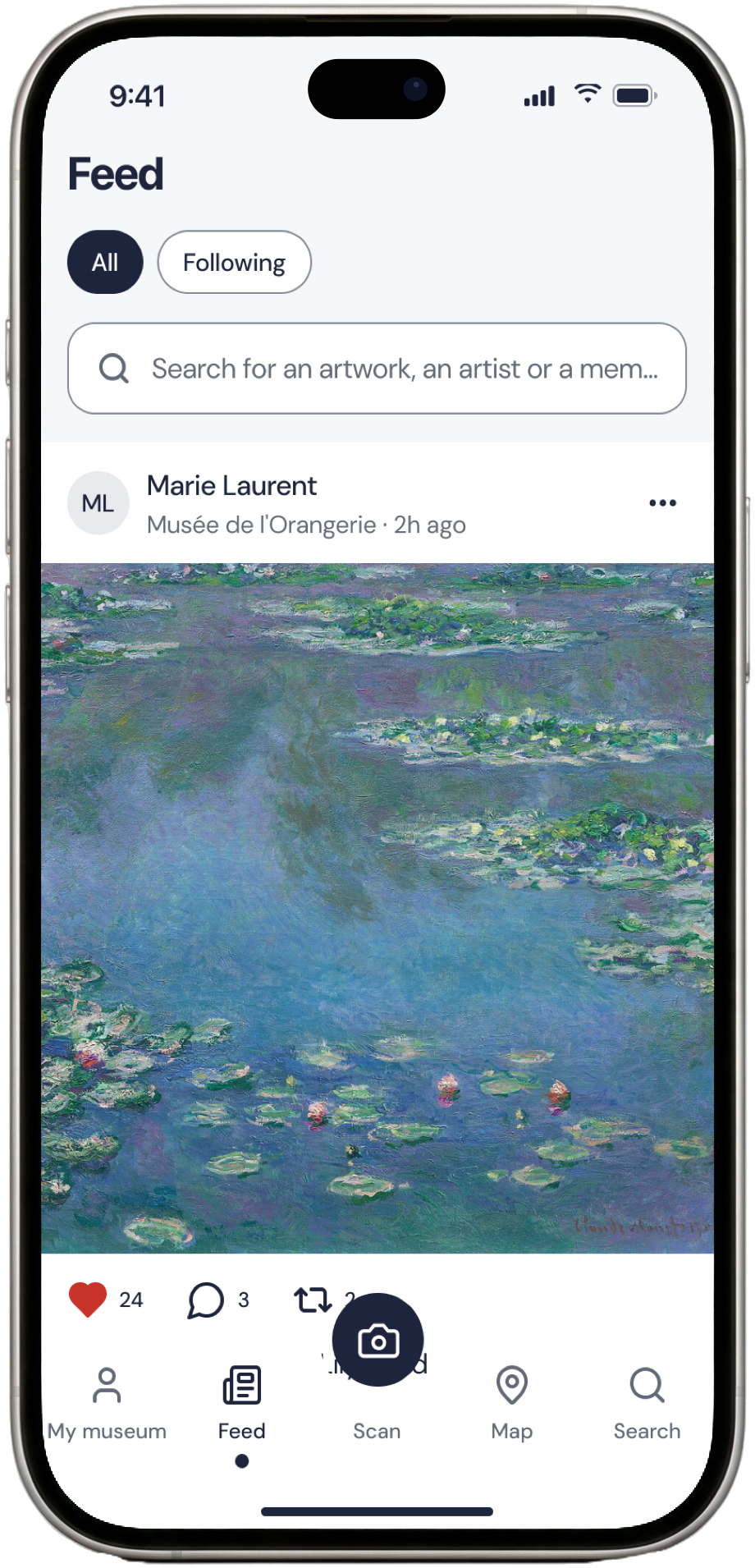
Each artwork joins “My museum”, the member’s personal collection, along with the name of the place where they saw it. They can keep it to themselves or post it to the feed, where the community likes, comments on and shares it. A search engine finds any artwork and the museum where it can be seen, and a map guides travellers to the museums around them.
Created by Charles Peloye, a product designer and entrepreneur and former art director of Avignon Online, Artema is designed in France. Texts written by AI are labelled, and members’ location never leaves their phone.
Story angles
One photo is enough to identify an artwork, with no QR code and no prior partnership with the museum. The app works in major institutions as well as in lesser-known collections.
Every text written by AI is labelled, every identification can be corrected, and museums’ opening hours, prices and exhibitions are read from their official website.
On general social networks, a painting is just one image among many. On Artema, every post is linked to an artwork, its artist and the museum where it was seen.
At the Art Institute of Chicago, more than one visitor in three was observed taking a selfie with an artwork. Artema turns those pictures into a documented collection.
Source: Smith, Smith and Tinio, Psychology of Aesthetics, Creativity, and the Arts, 2017.
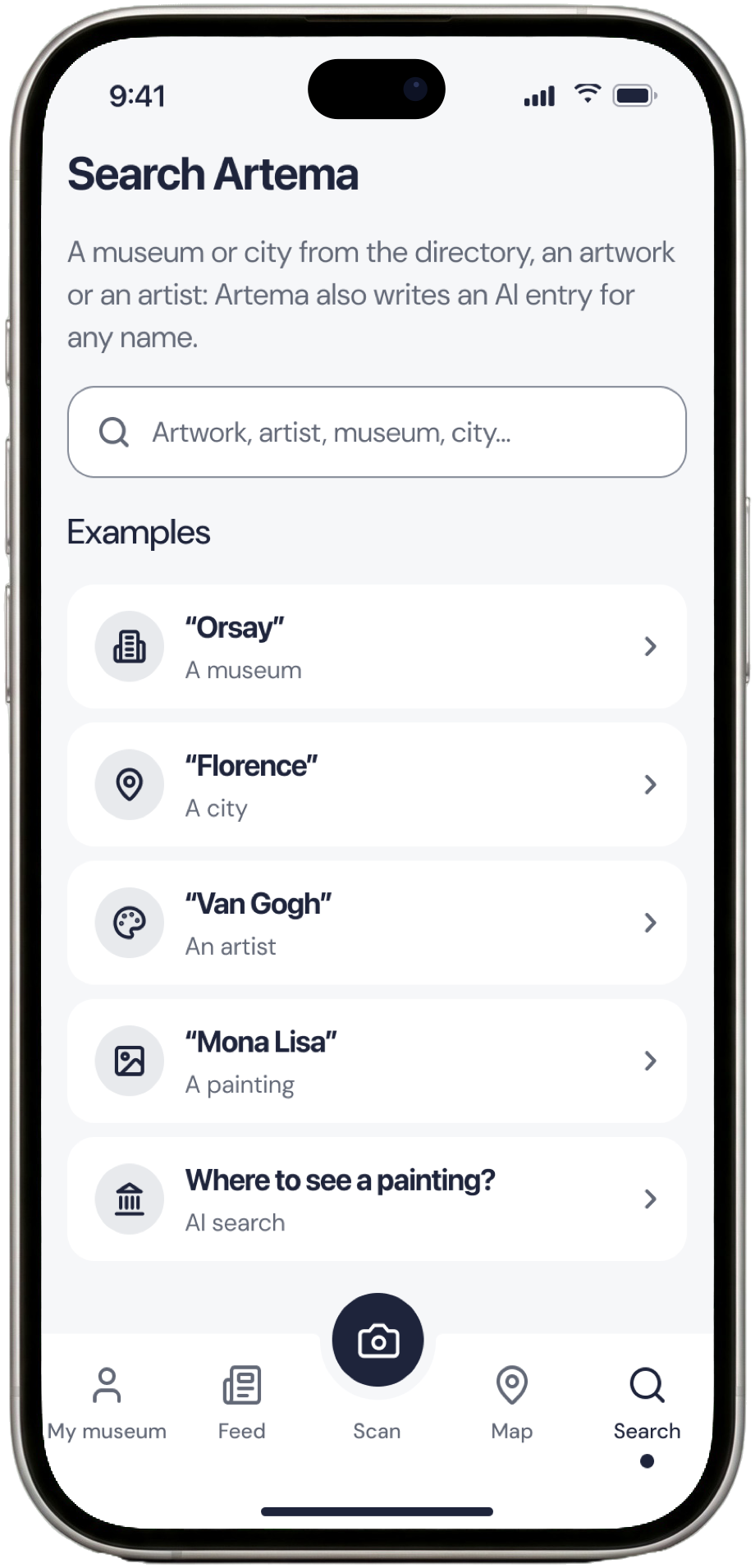
Where can I see the Mona Lisa? Which museums are near me in Florence? Artema answers in seconds, keeps track of every visit and shares it with the community.
Its founder audits the accessibility of websites and apps. Strong contrast, screen reader labels and large touch targets are part of the very first version.
High-resolution visuals
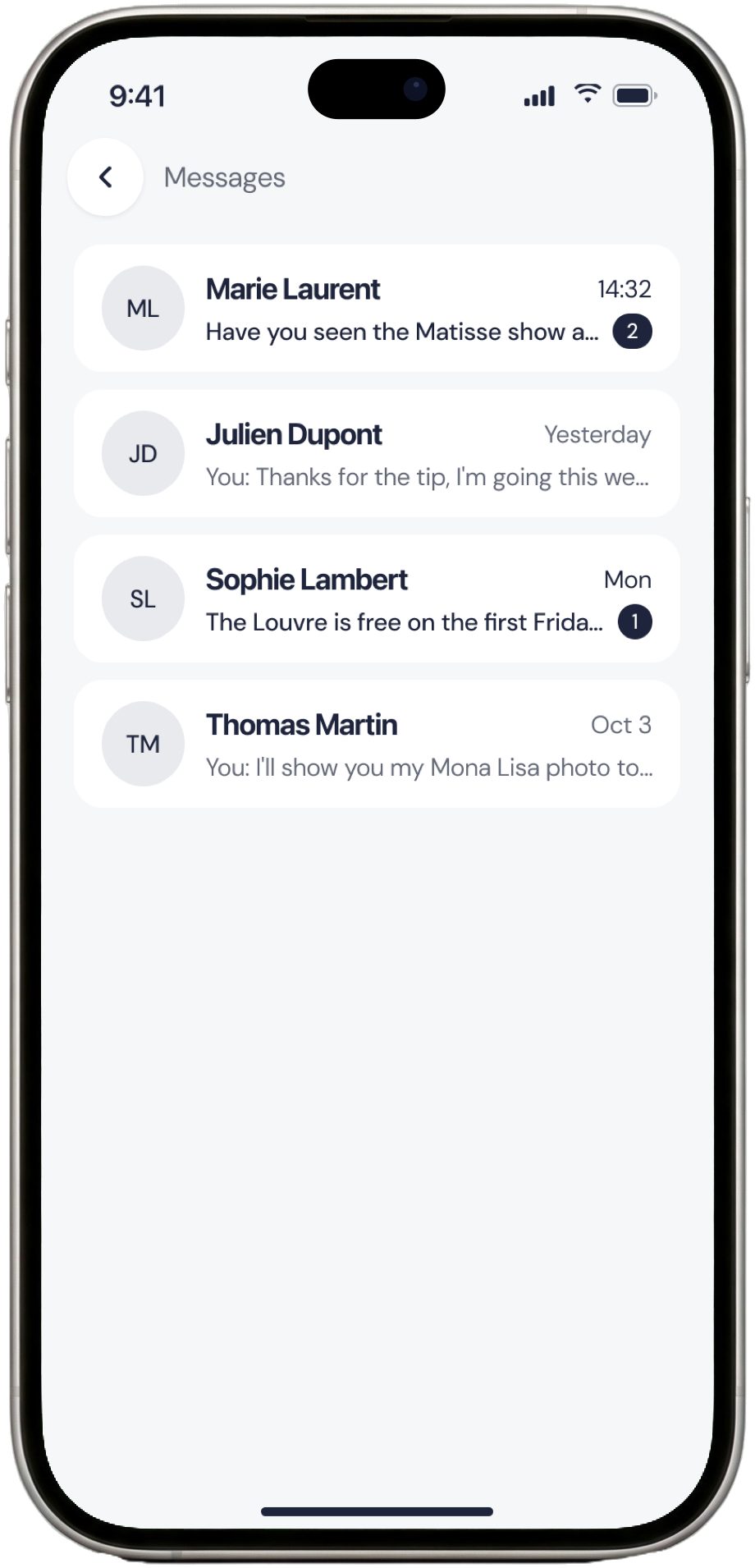
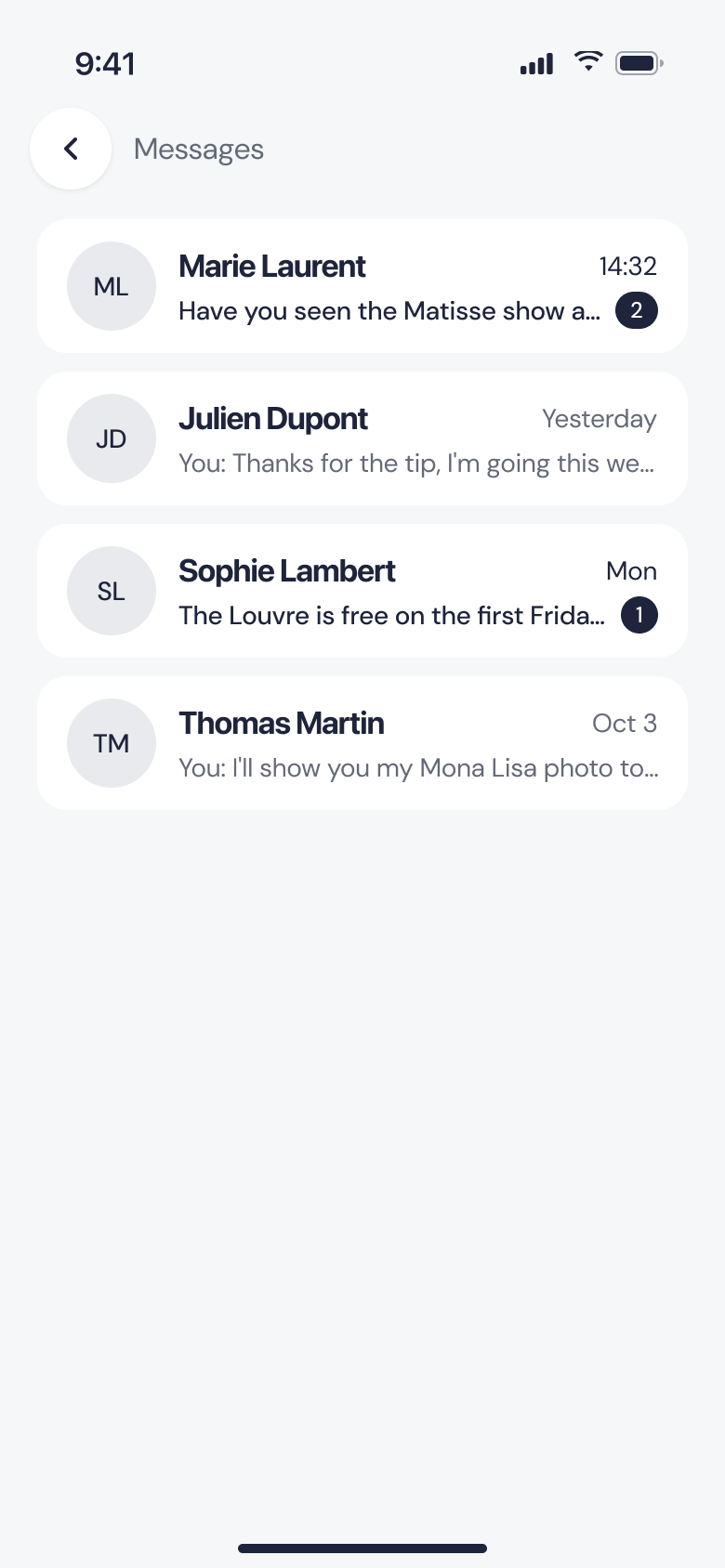
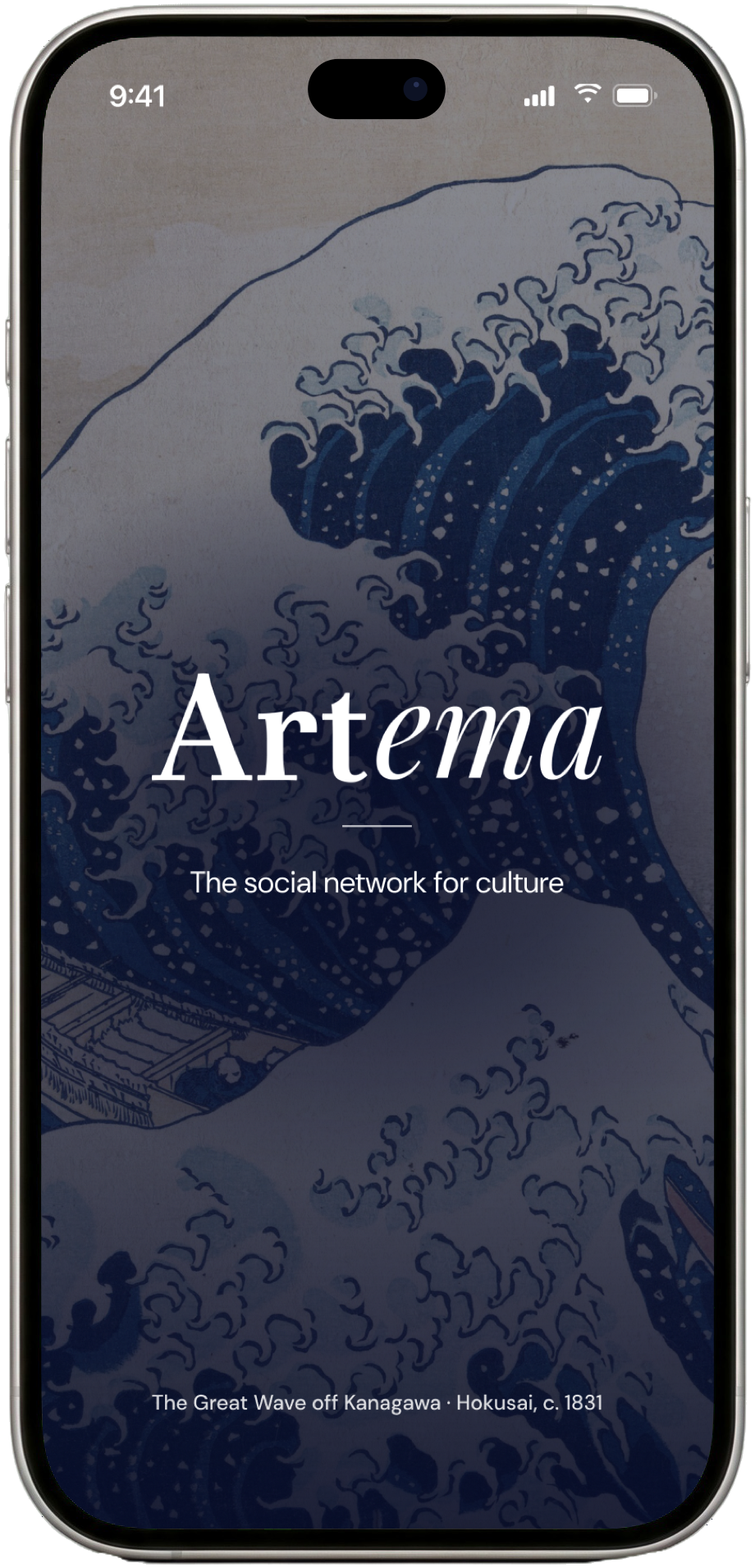
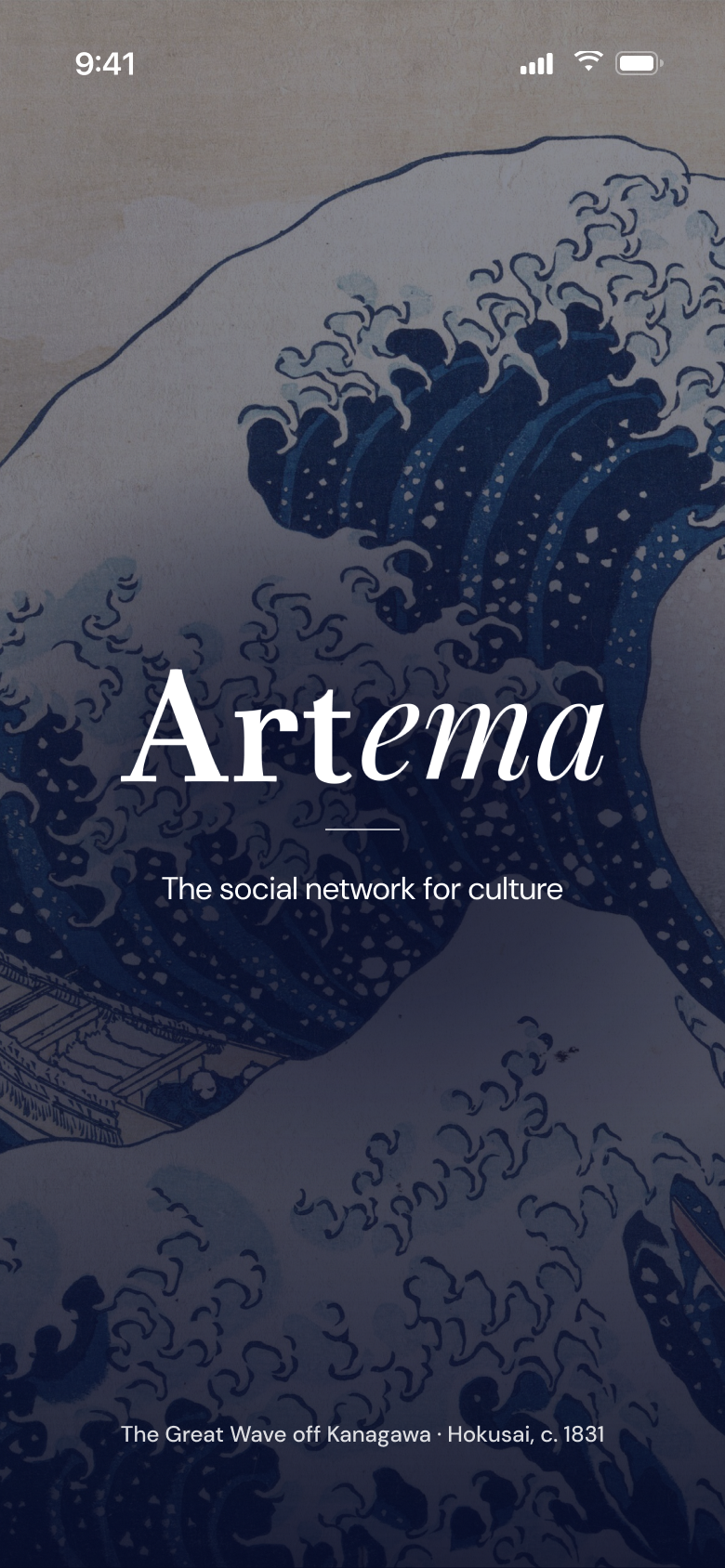
Free to use to illustrate an article or content about Artema. Please do not distort or recolour the logo.


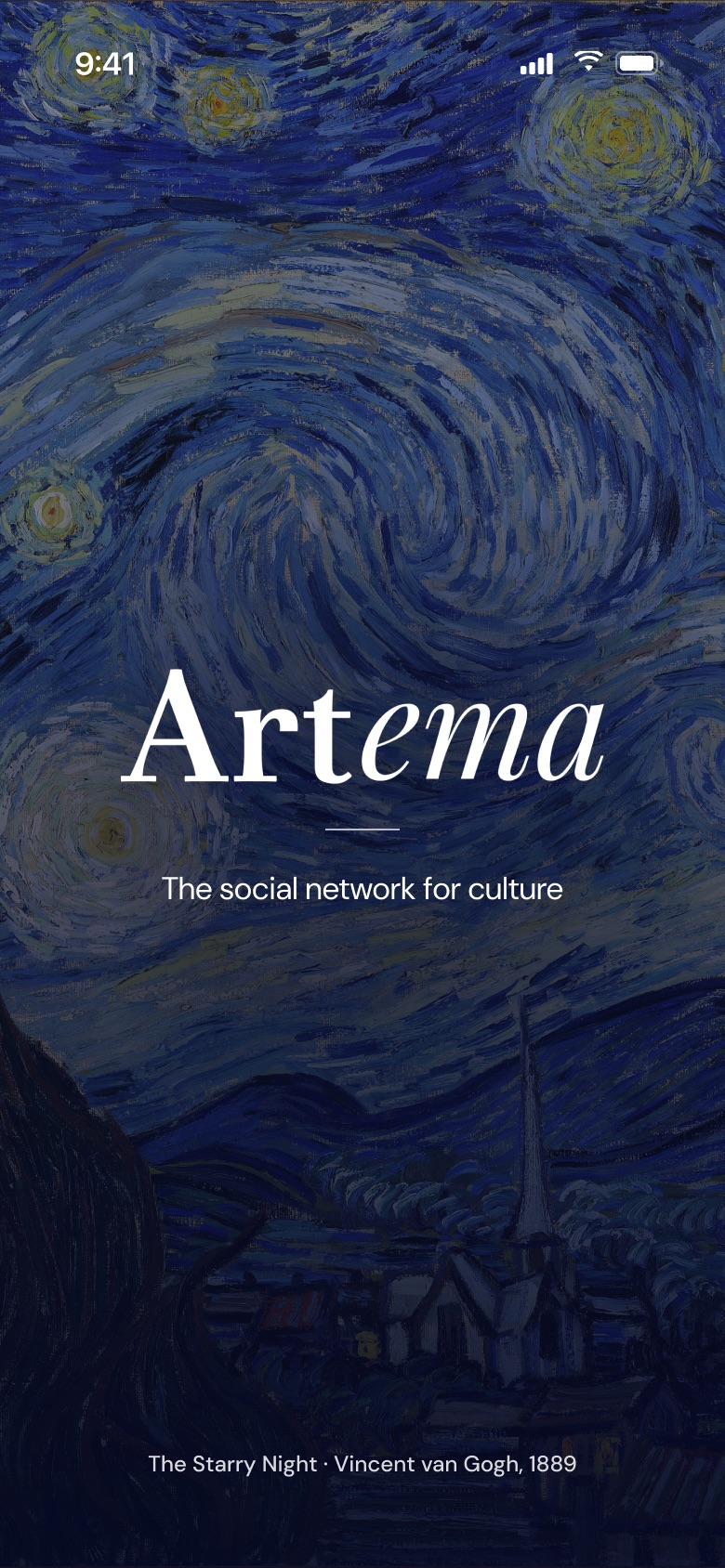
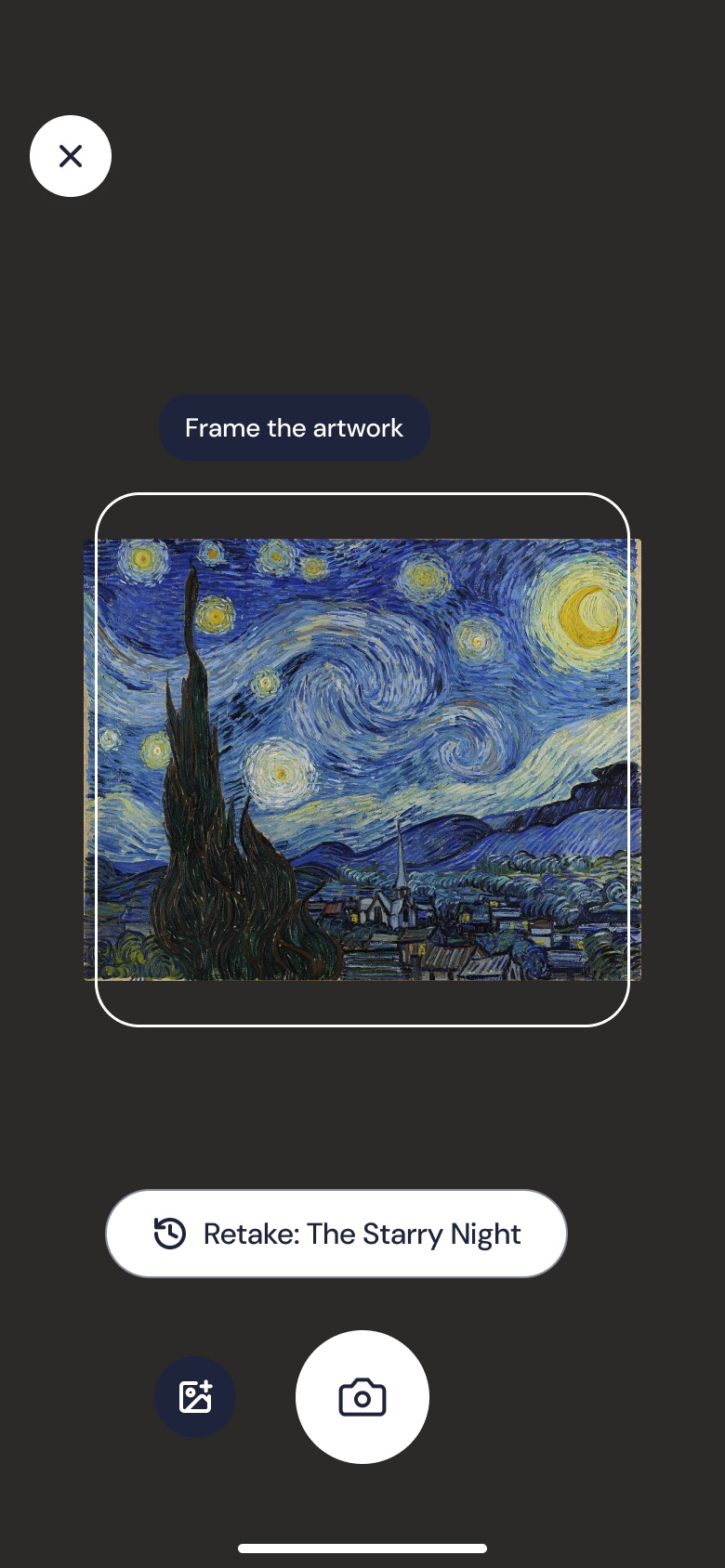
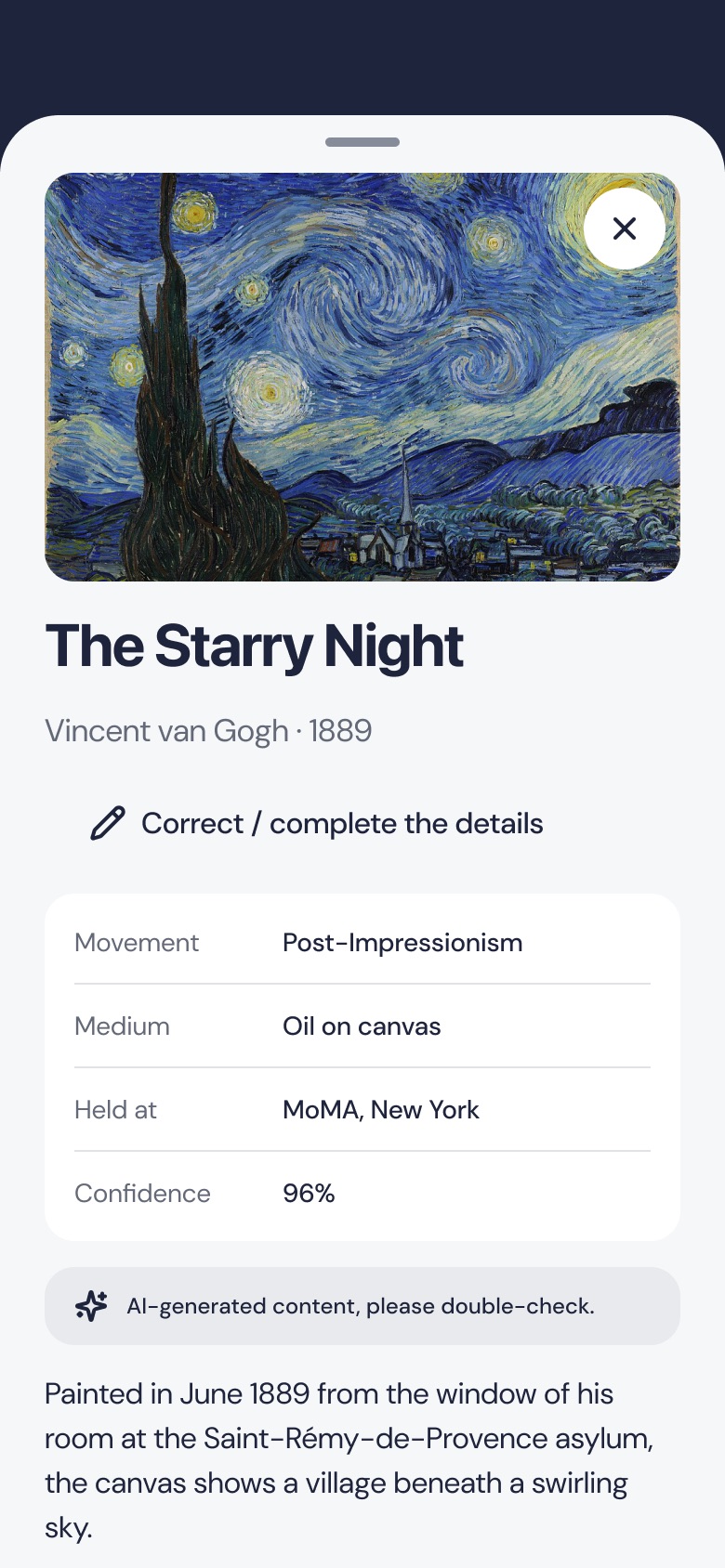
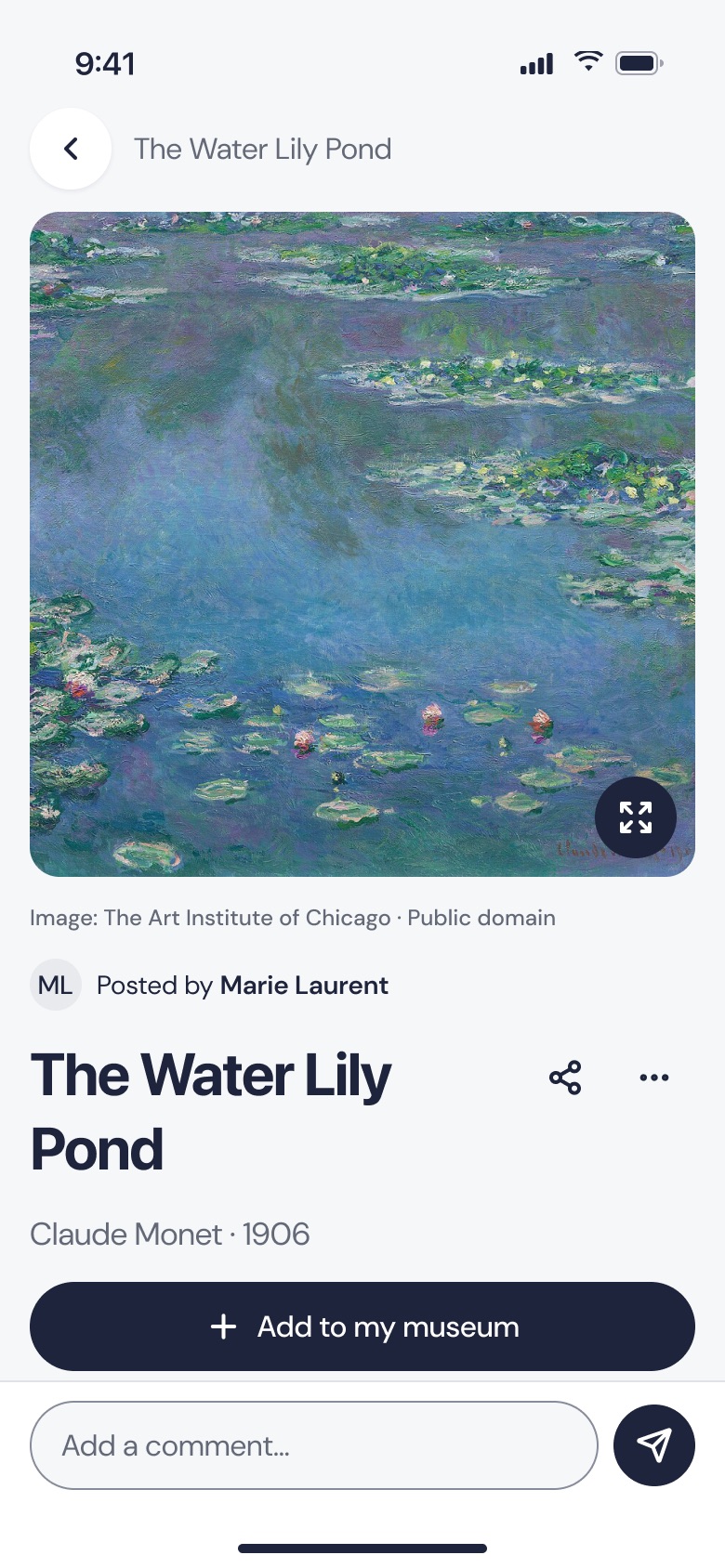
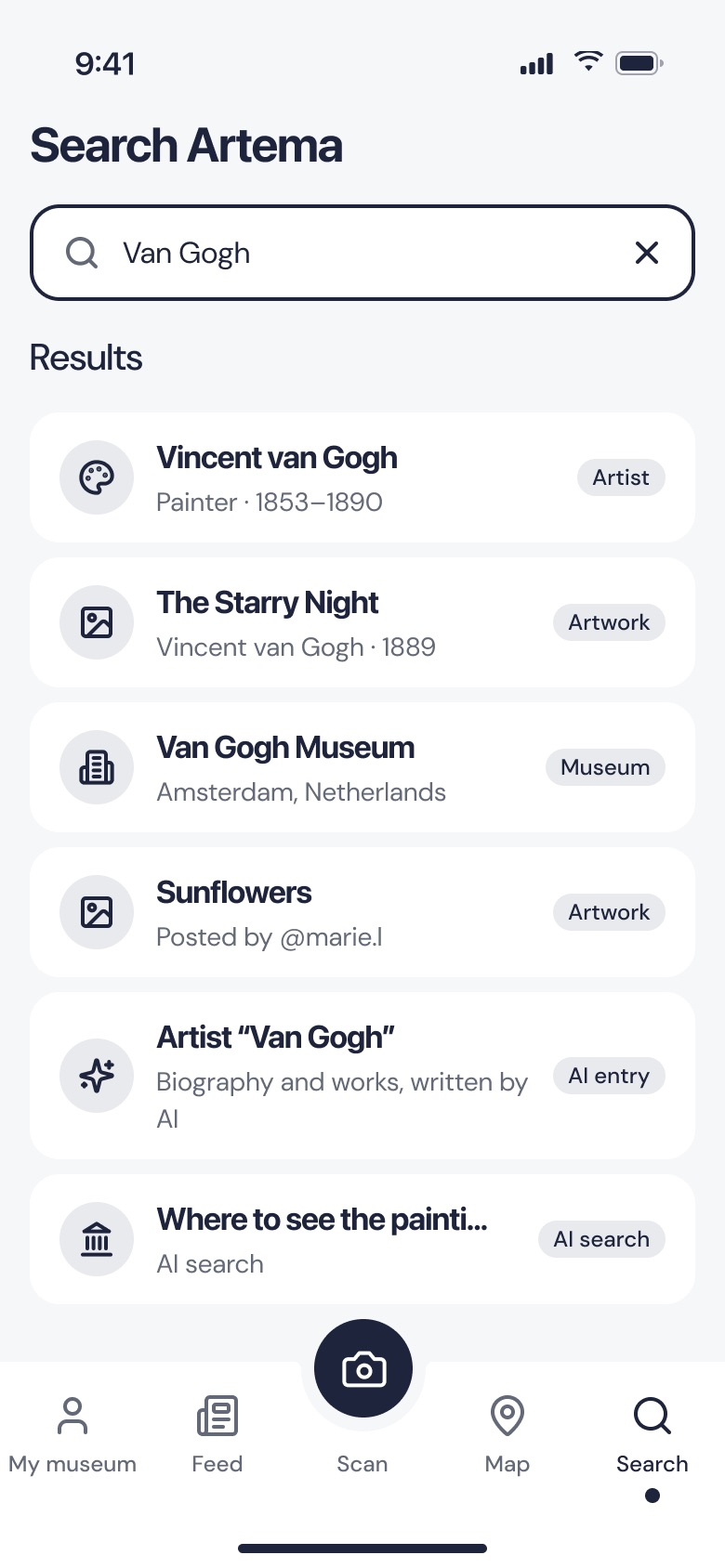
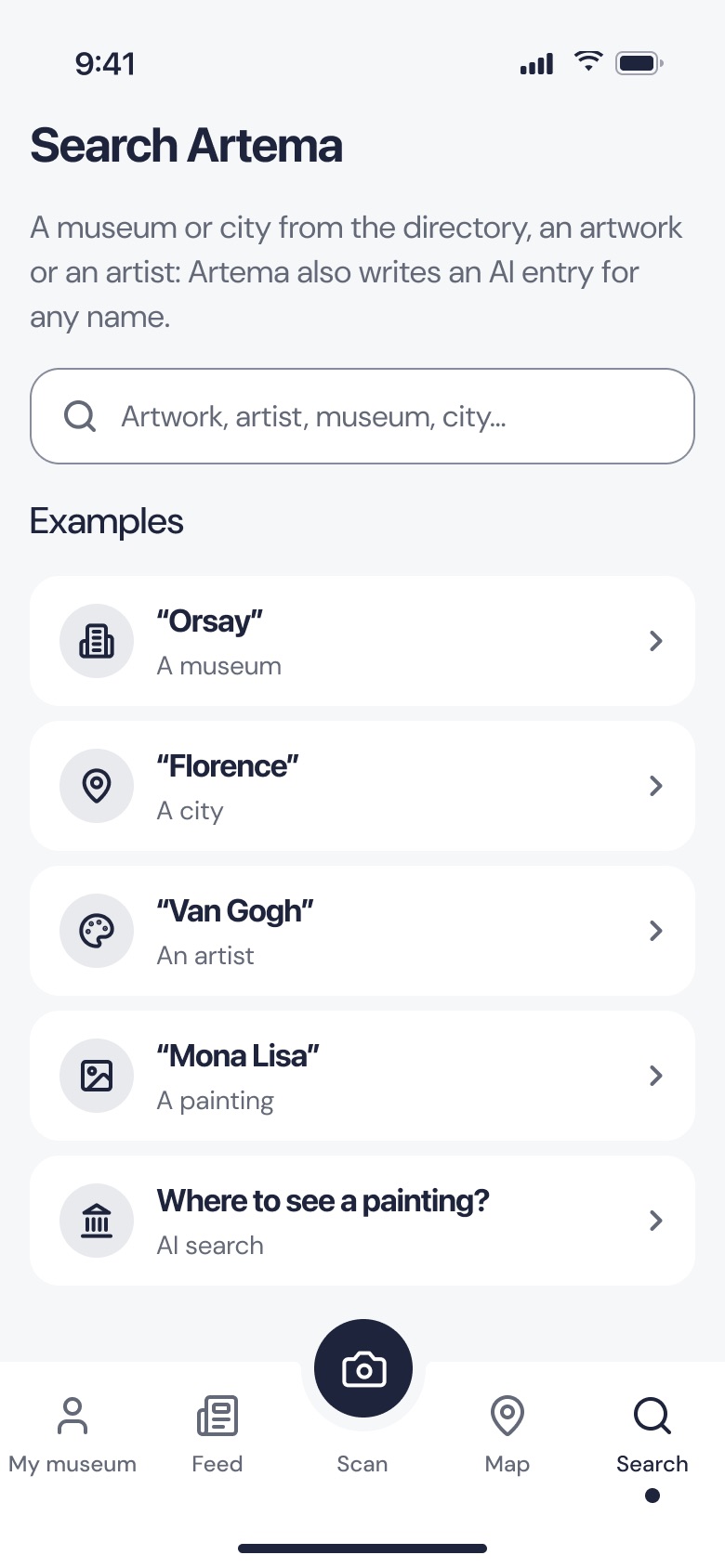
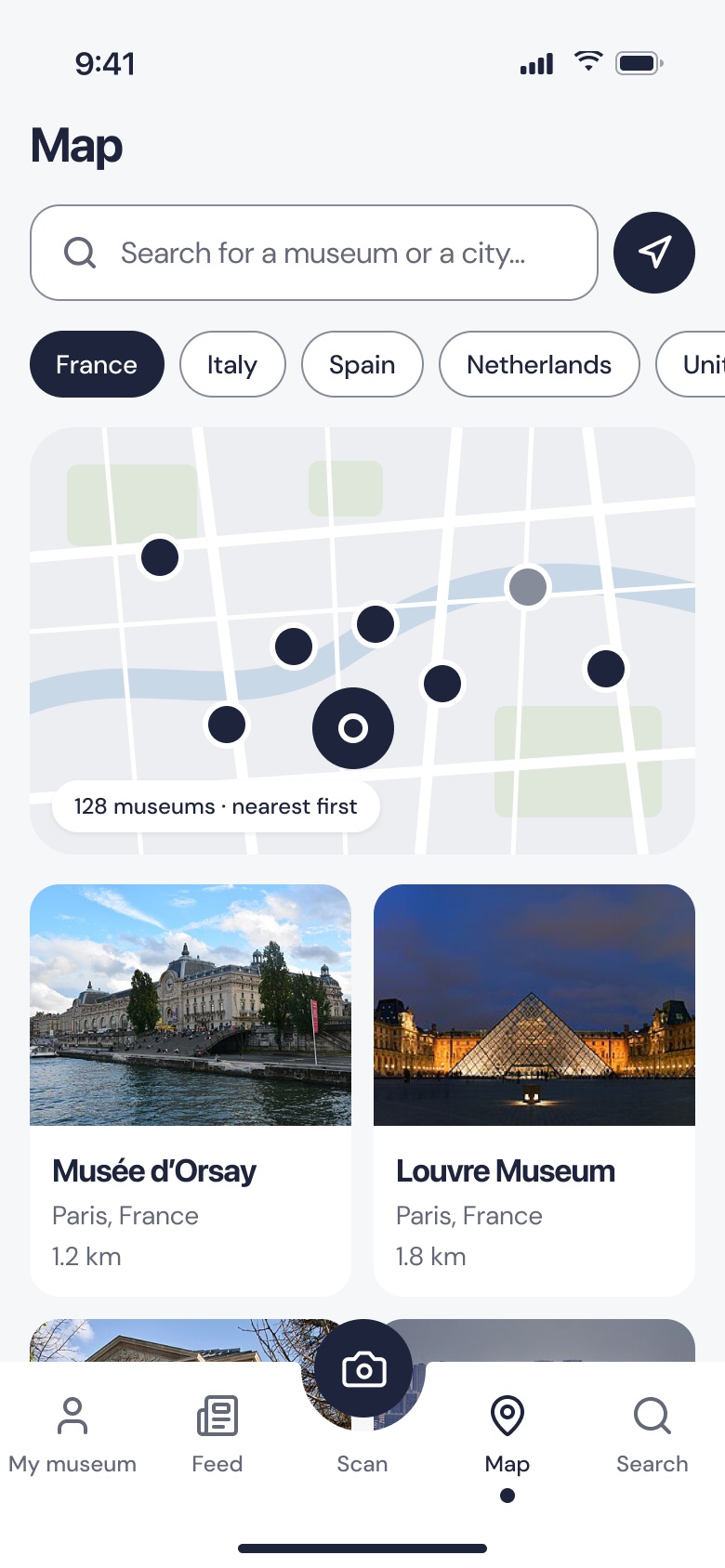
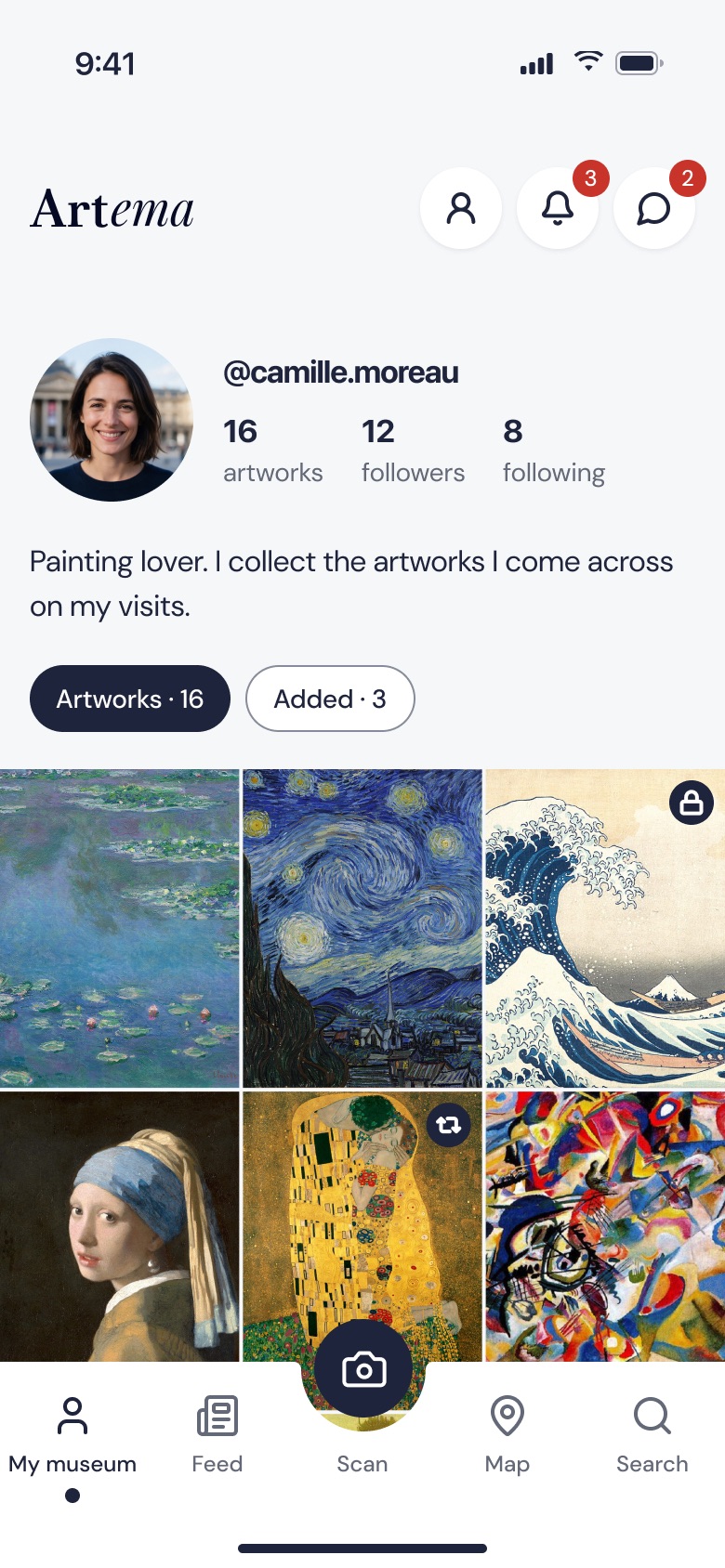
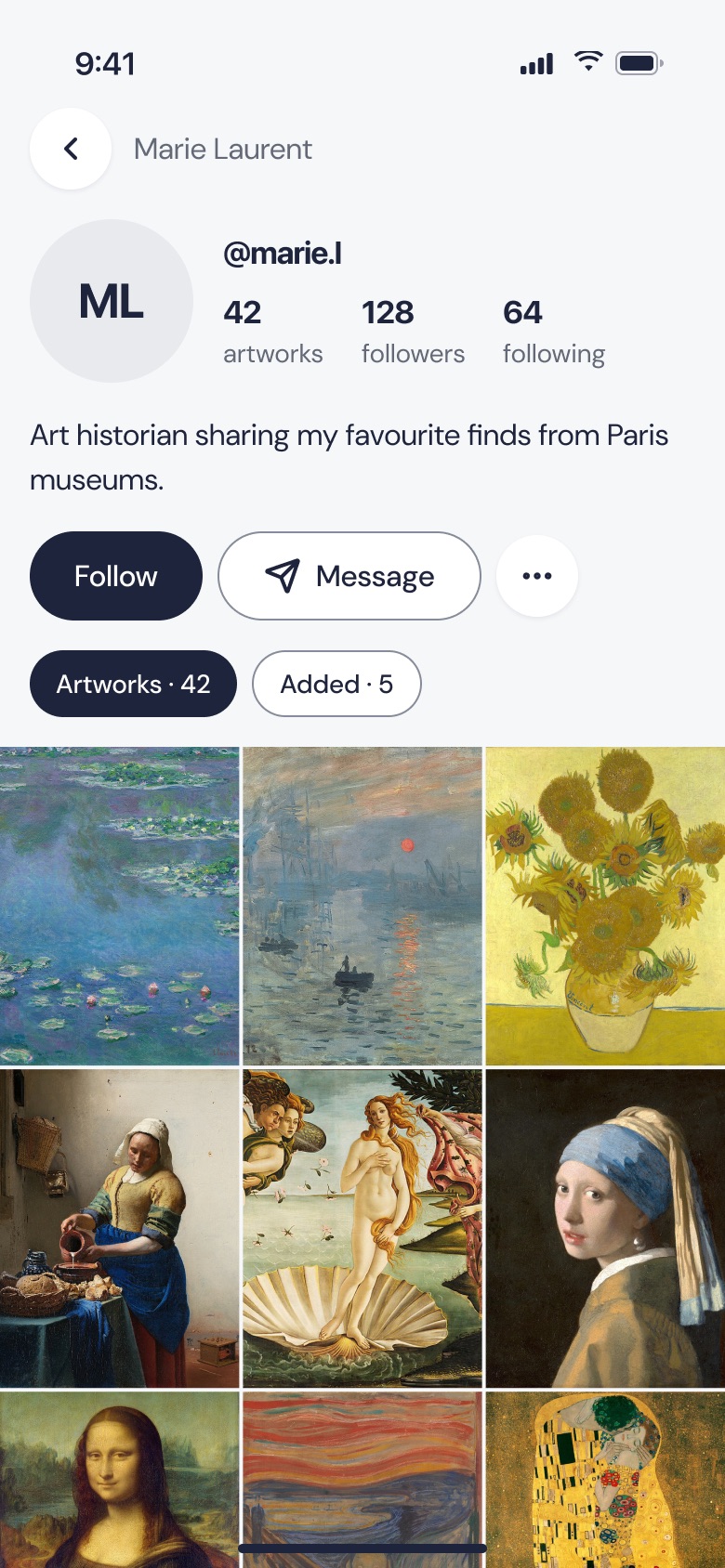
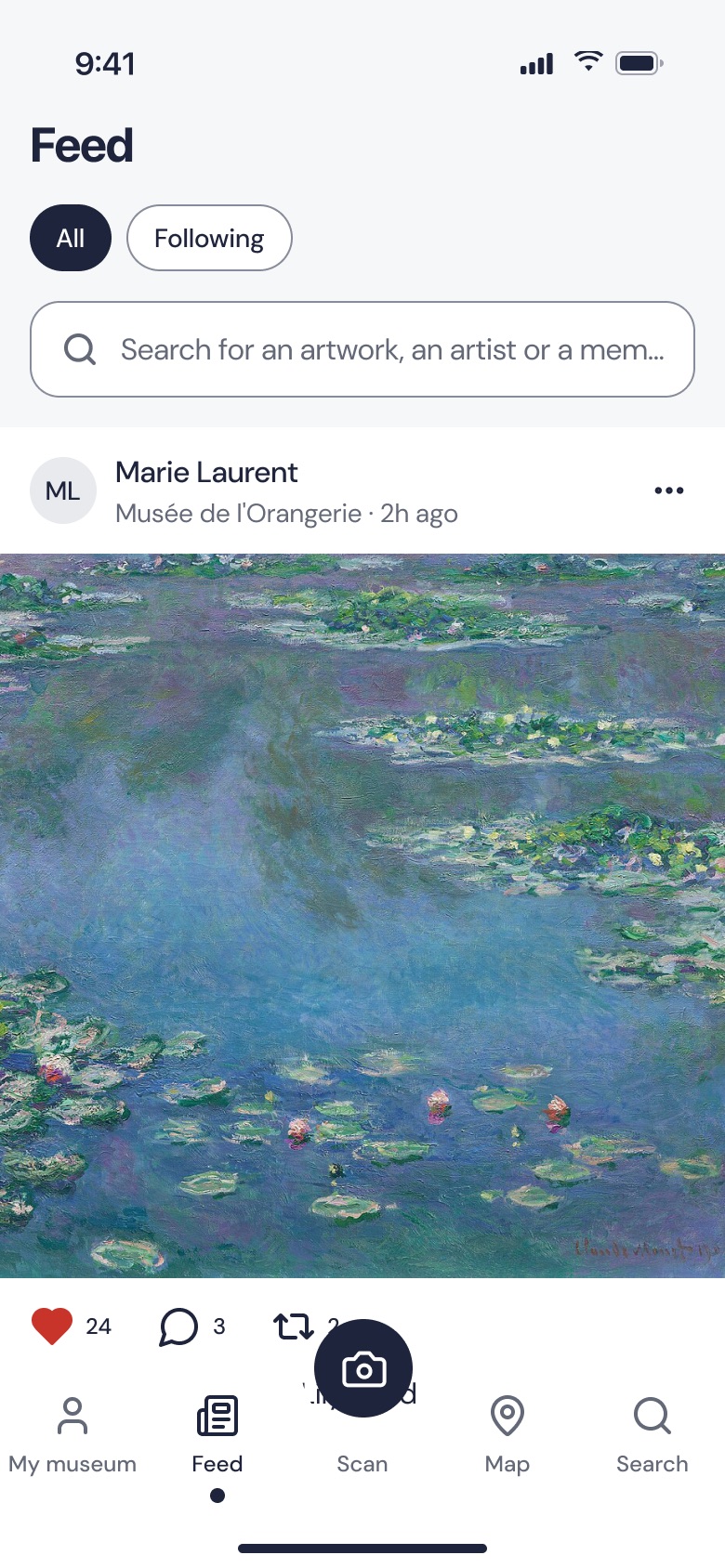
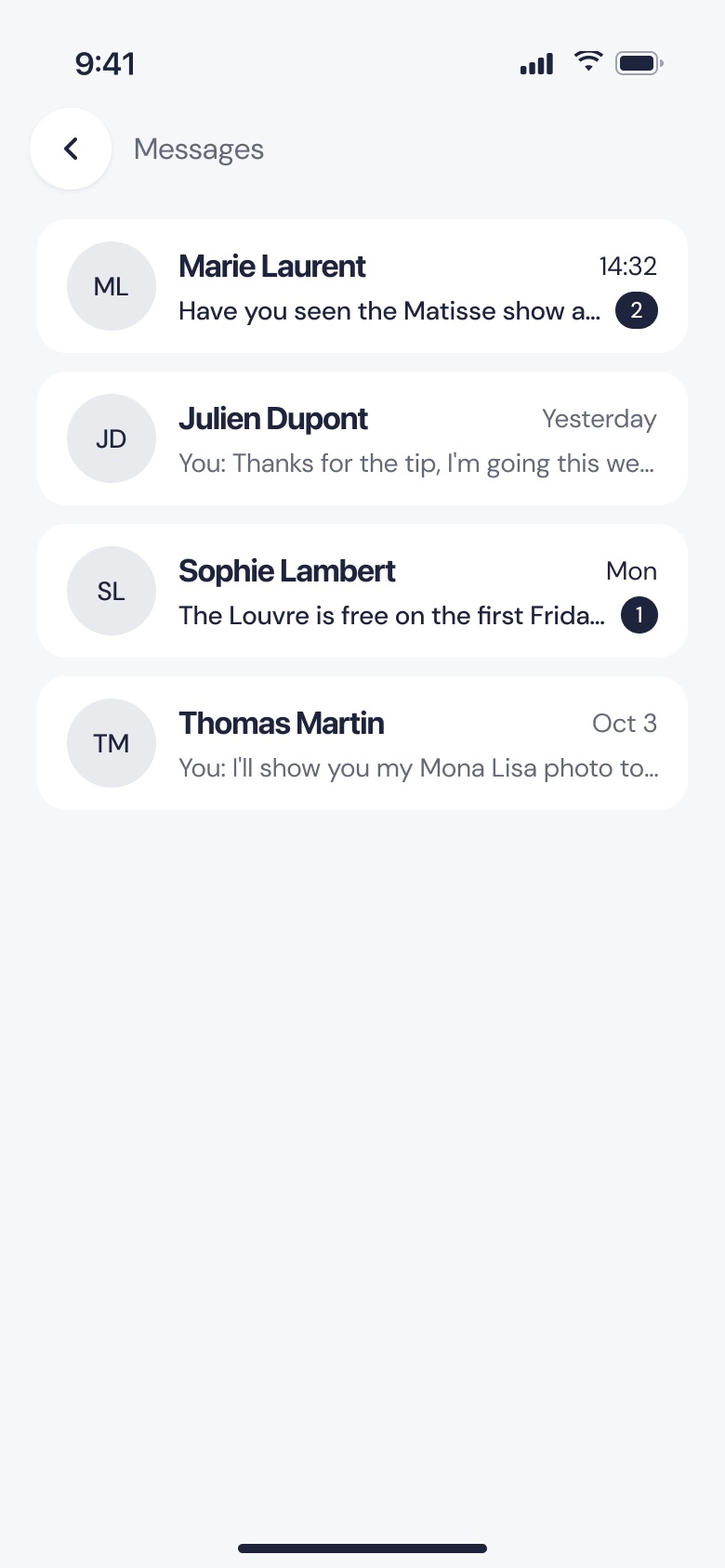
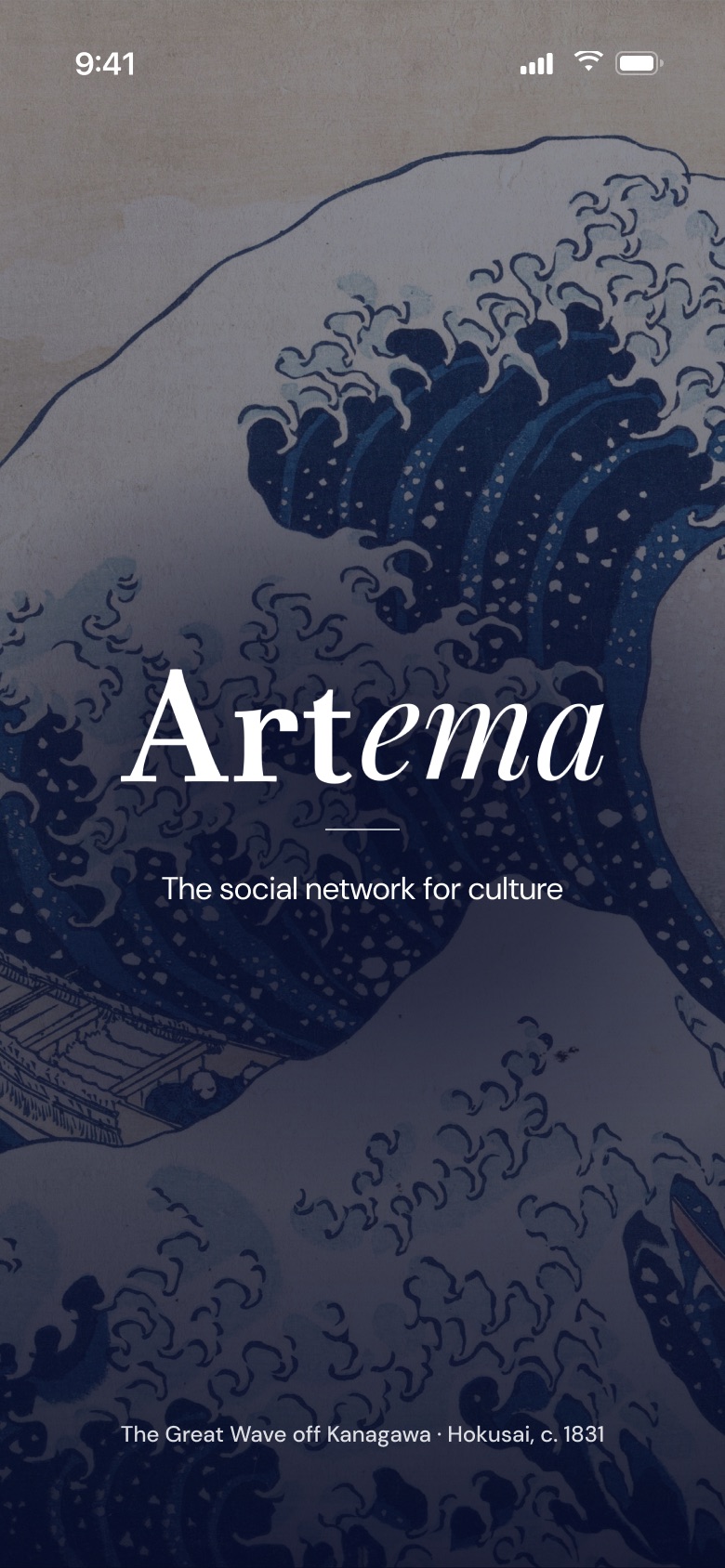
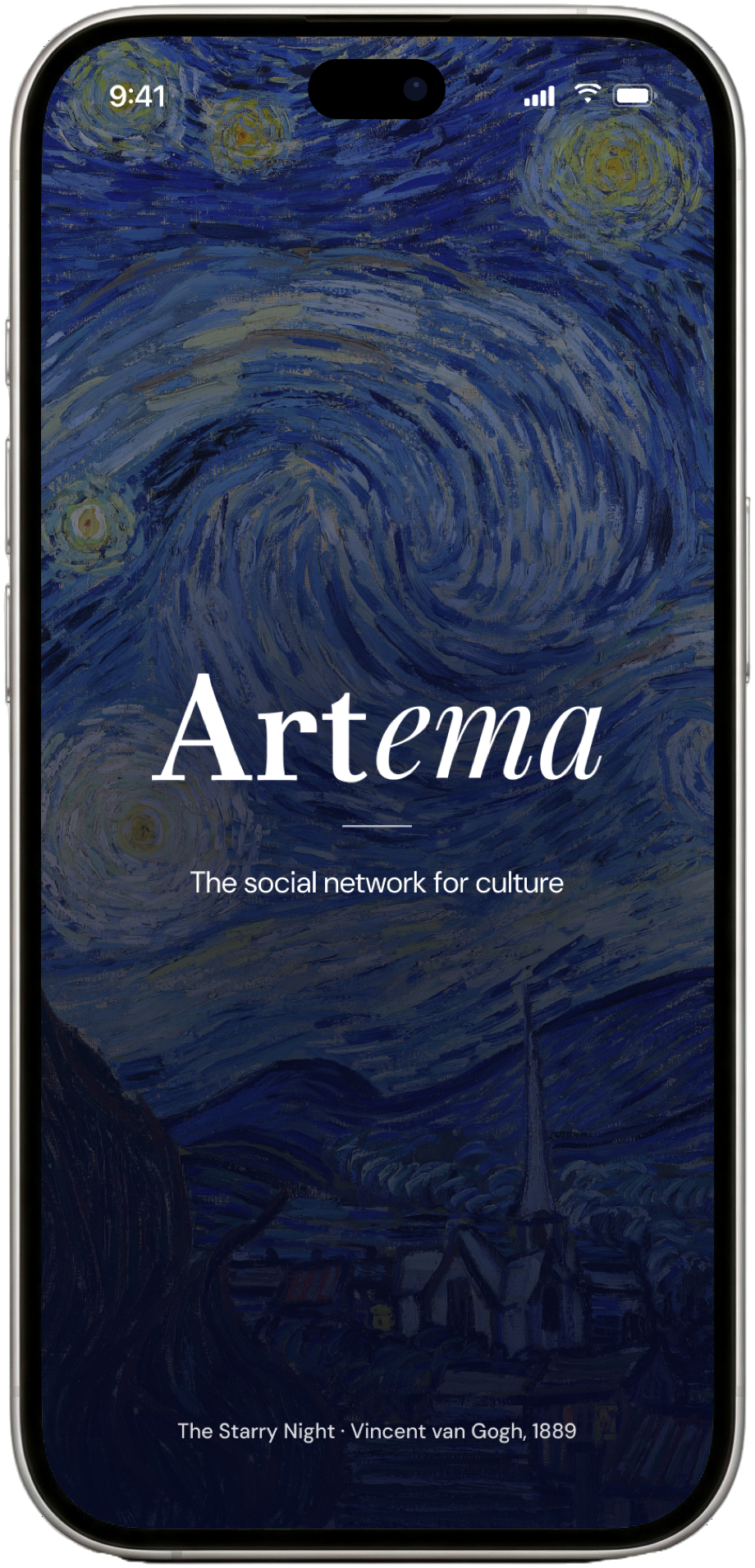
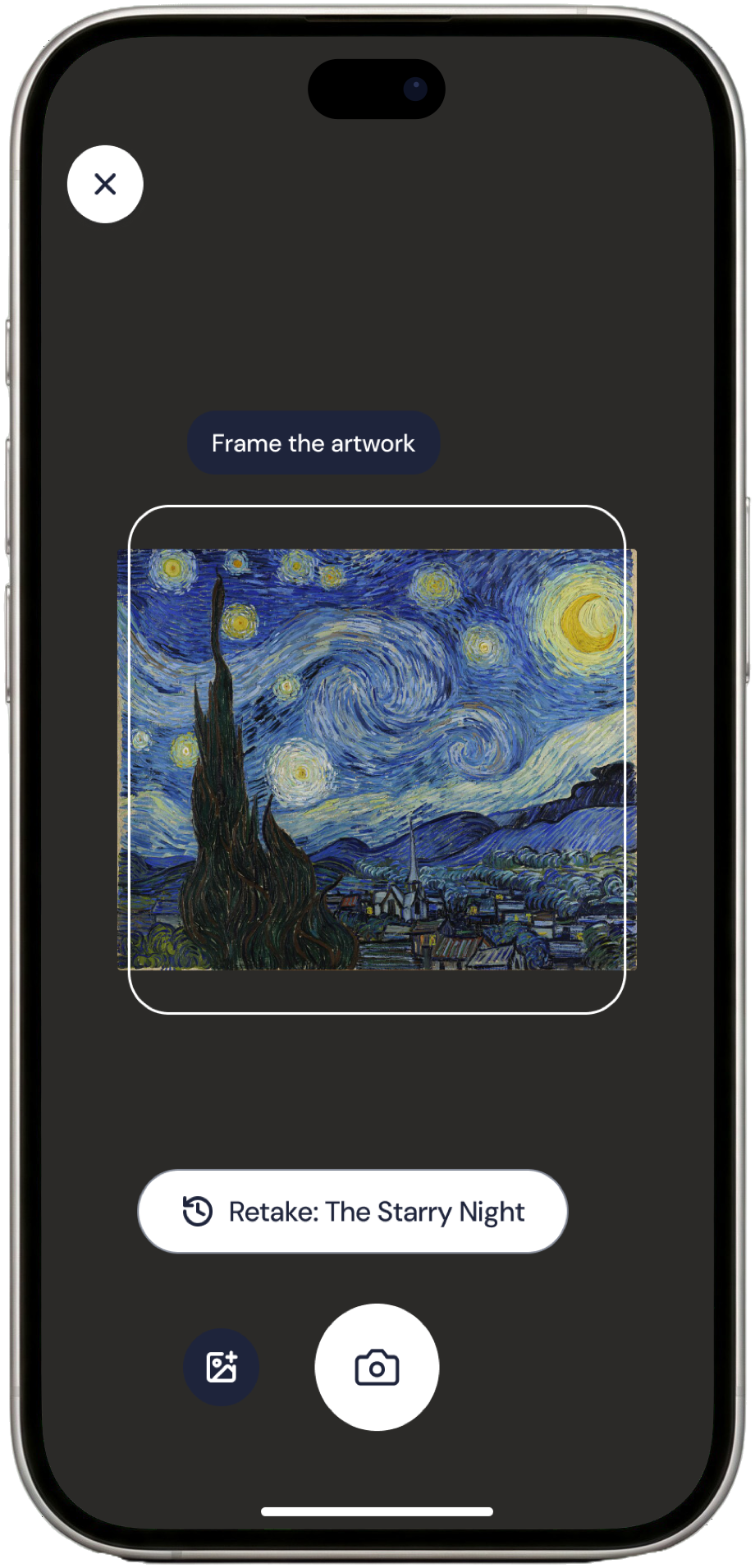
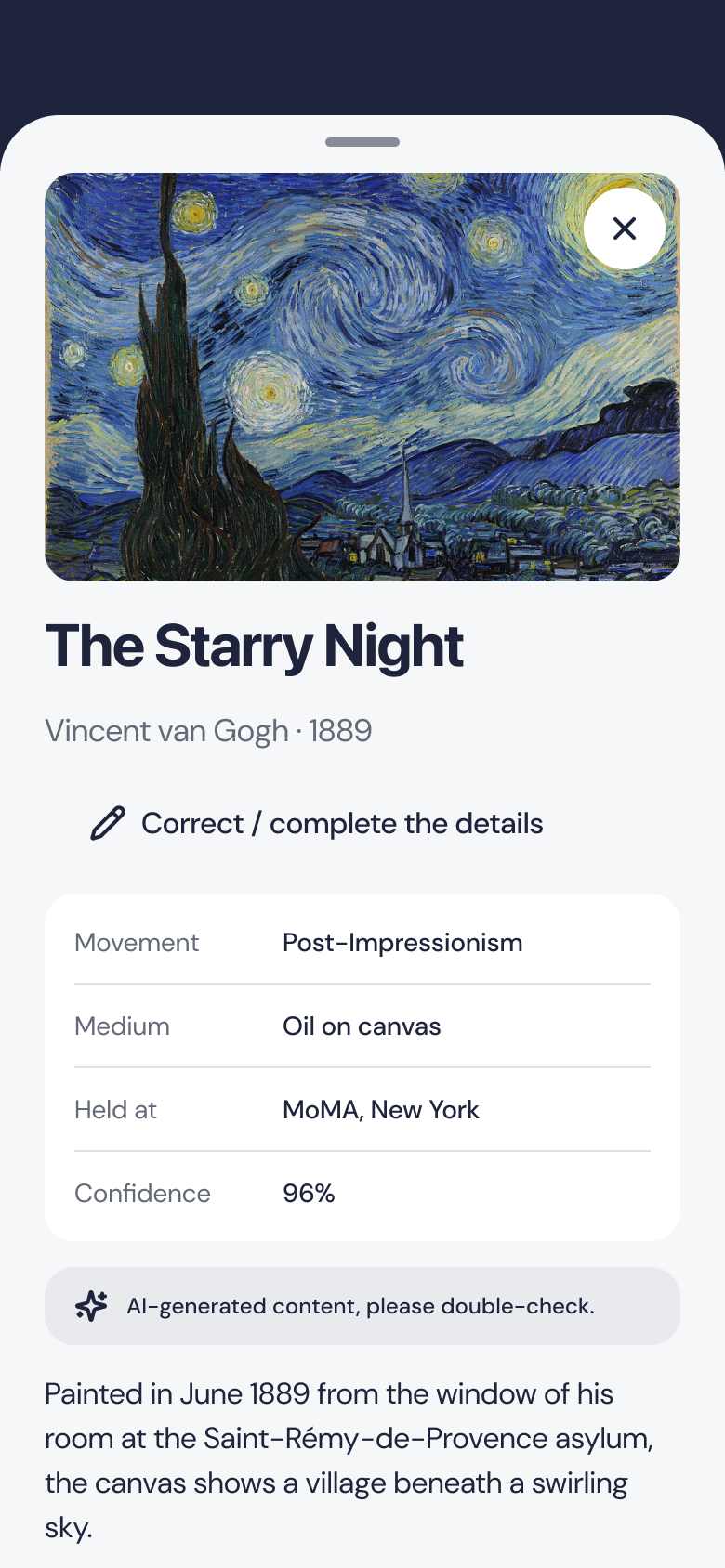
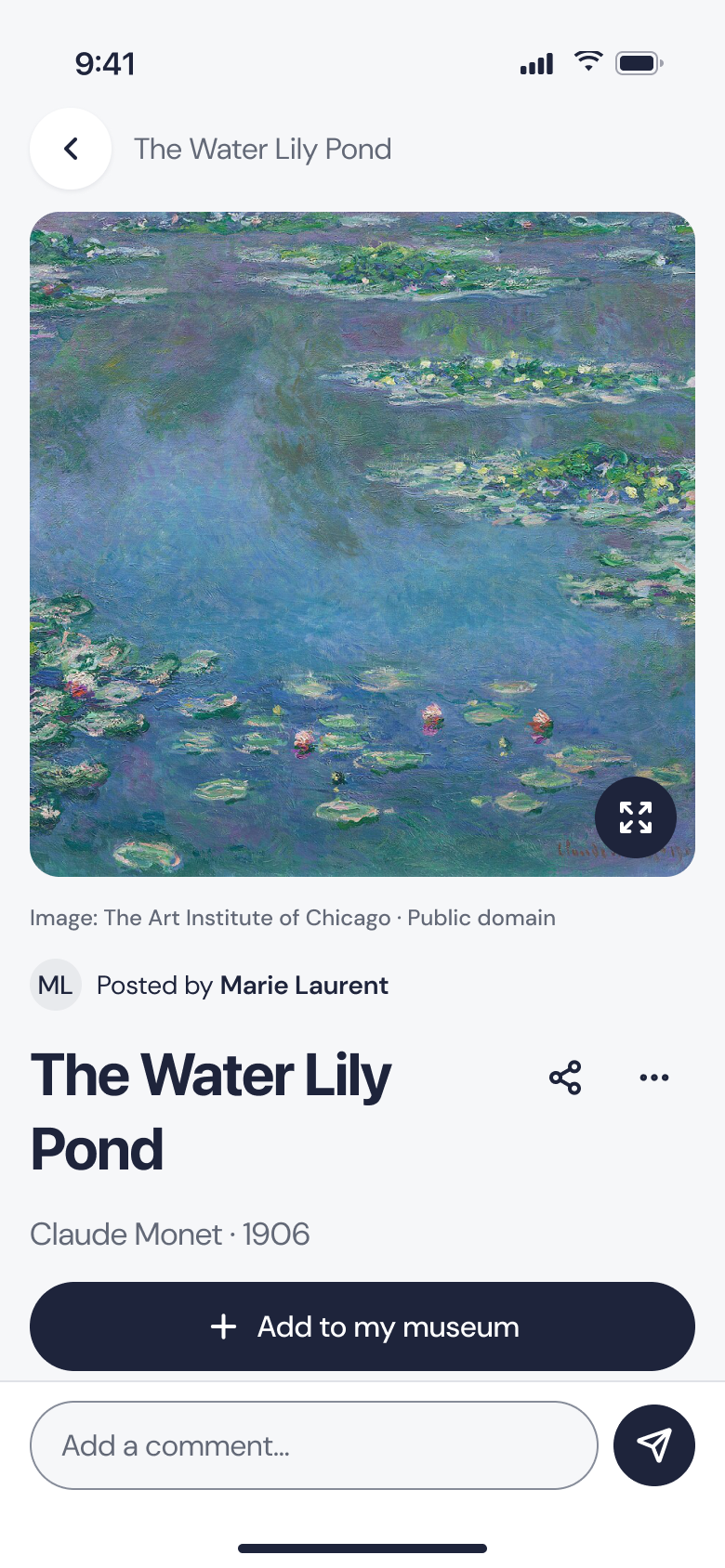
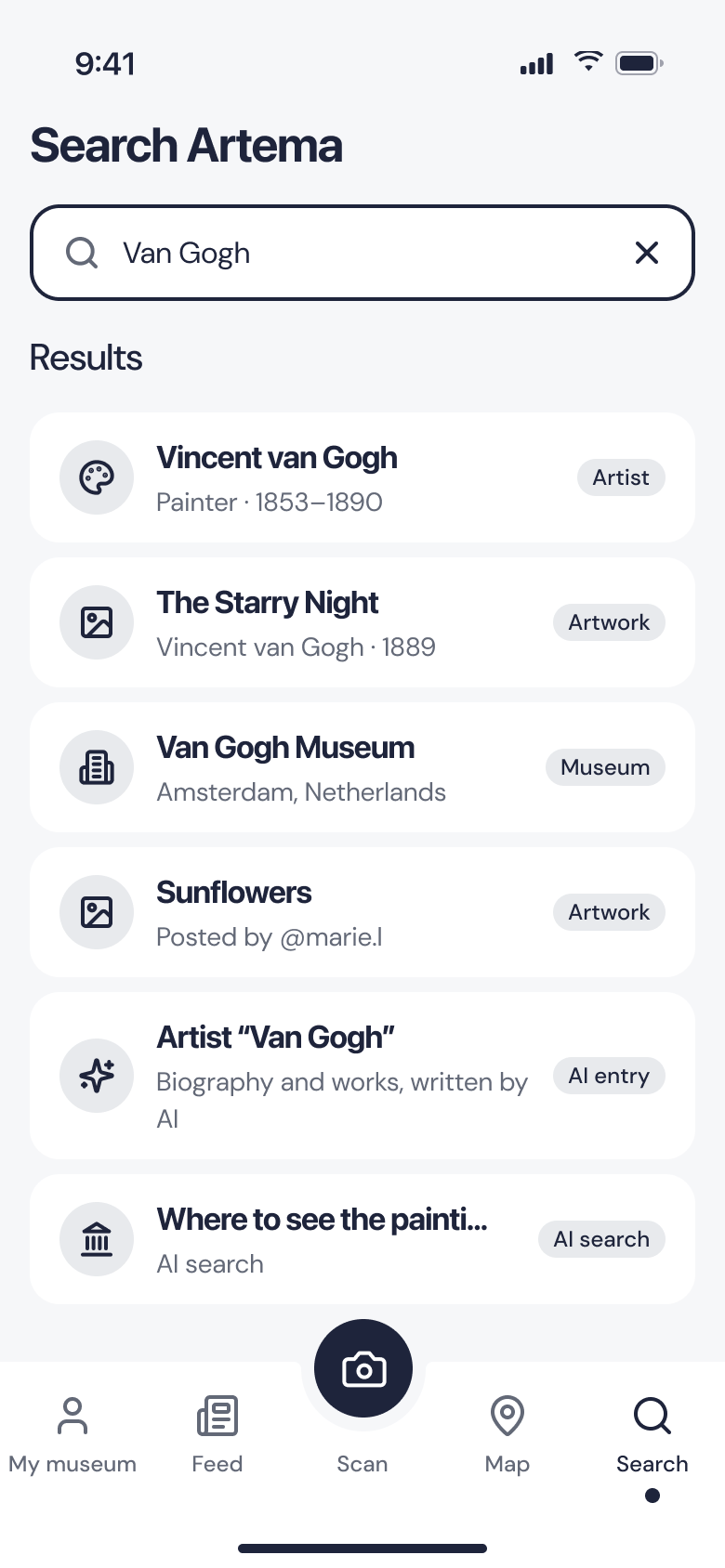
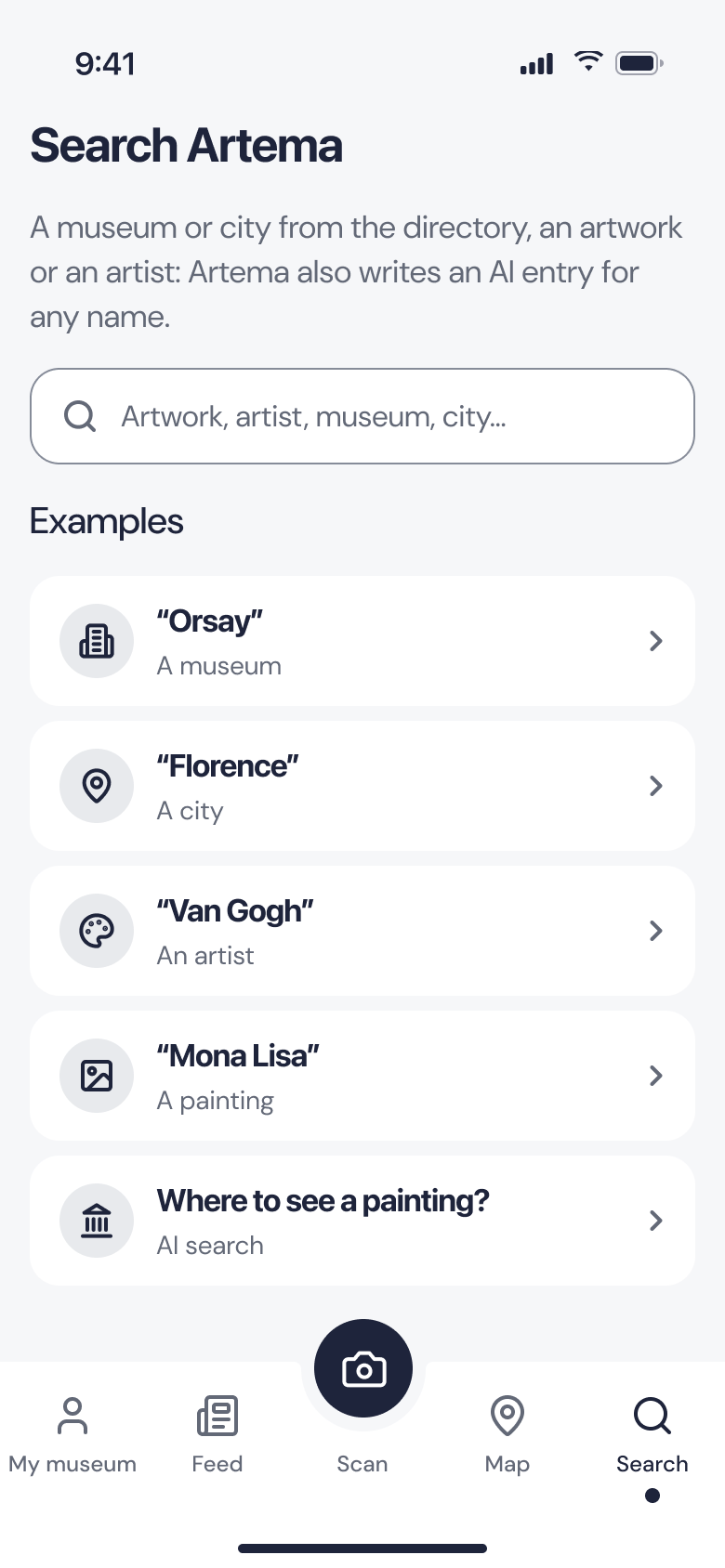
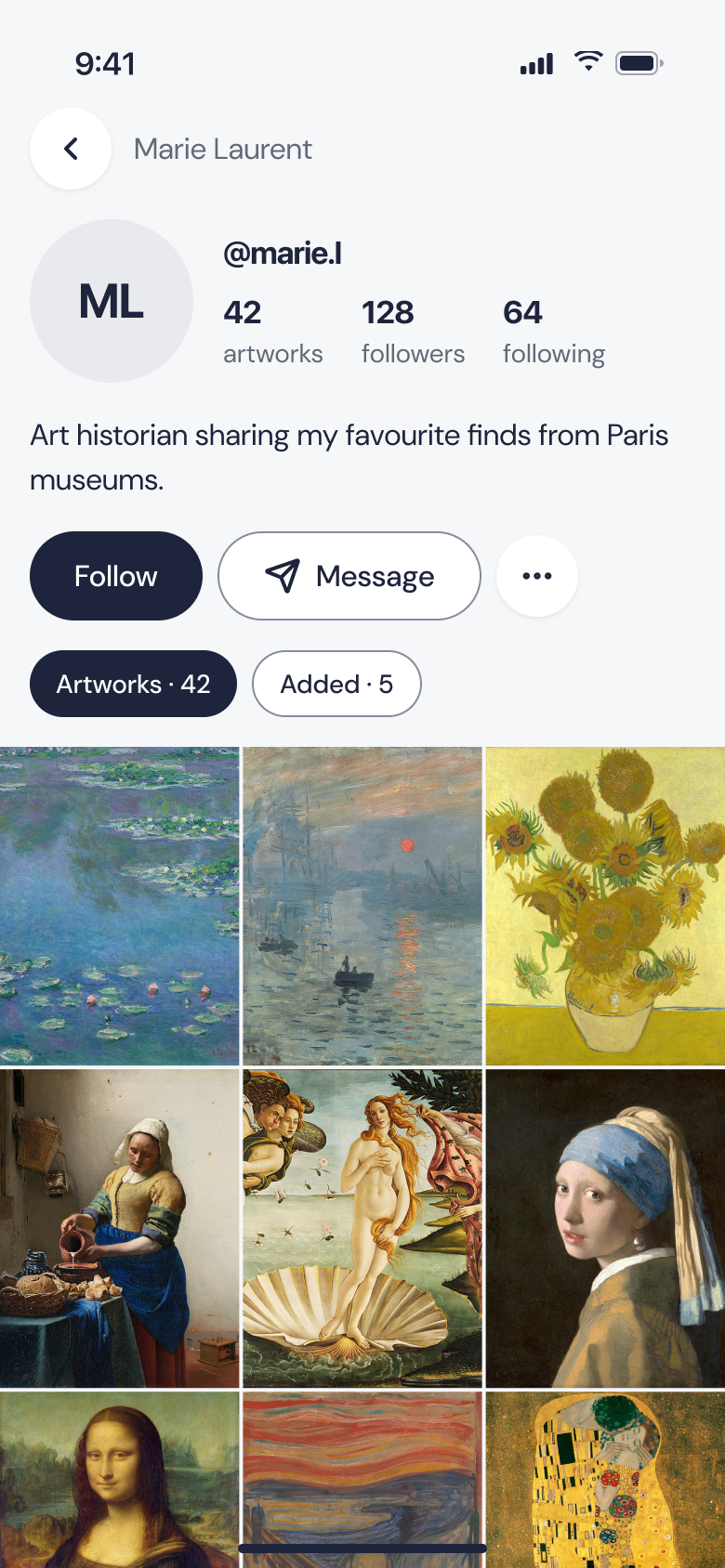
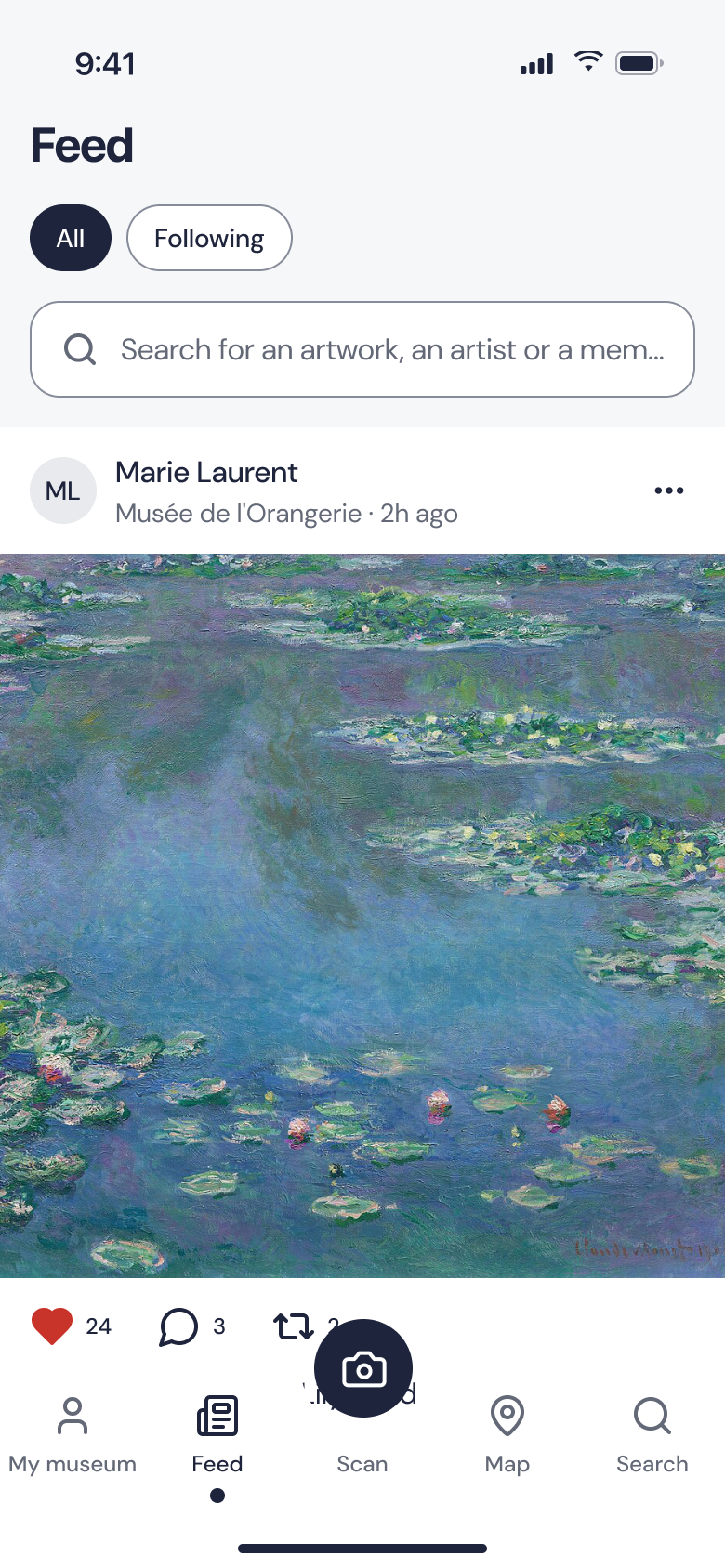
Screenshots from the version 1.0 mockups, in English: the interface may still change before launch. The artworks shown are in the public domain and the members shown are fictional.
The founder

Charles Peloye has been designing digital products for 13 years and has run his own companies, from a tech startup to a restaurant business.
As a senior product designer, he has worked for Doctolib, TotalEnergies, Châteauform’ and beta.gouv.fr, as well as cultural institutions such as the Centre Pompidou-Metz and the Théâtre des Champs-Élysées. His speciality: making the densest interfaces simple, and building the design systems that keep them consistent over time. As an accessibility auditor (RGAA, the French standard based on WCAG), he builds accessibility in from the start.
In 2020, when the Avignon Festival was cancelled, he joined the Avignon Online collective as art director and illustrator: a virtual, non-profit festival that recreated the city’s streets as an interactive map to give theatre companies their visibility back. Le Figaro covered the project (in French).
In 2021, he co-founded and chaired La Seigneurie du Néman in the Loire Valley: the restoration of an estate built in 1398, now home to a riverside open-air café on the Indre. Artema brings these worlds together: culture, heritage and demanding digital product design. He came up with it to keep track of the artworks he came across on his visits, then designed and built it end to end.
“At a museum, you photograph an artwork and then forget it in your camera roll. I wanted an app that tells its story in the moment, and keeps a record of it.”
Content creators
Try Artema before everyone else and tell the story of your visits in a new way.
If content is paid for or involves a benefit, it must be clearly disclosed under the rules of your country: in France, the influencer marketing law of 9 June 2023; in the UK, the ASA and CMA guidance; in the US, the FTC Endorsement Guides. We will tell you which label to use.
Interview, visuals, early access: describe your project in a few lines. You can also write to [email protected].